Full Documentation Packages for Technology Transfer of AAV Manufacturing Processes to UK CDMOs

PROVEN INTELLIGENCE ACCELERATING NEXT-GENERATION THERAPIES

Full Documentation Packages for Technology Transfer of AAV Manufacturing Processes to UK CDMOs

AAV Manufacturing Technology Transfer: Documentation for UK CDMOs

CELL & GENE | RNA | BIOLOGICS
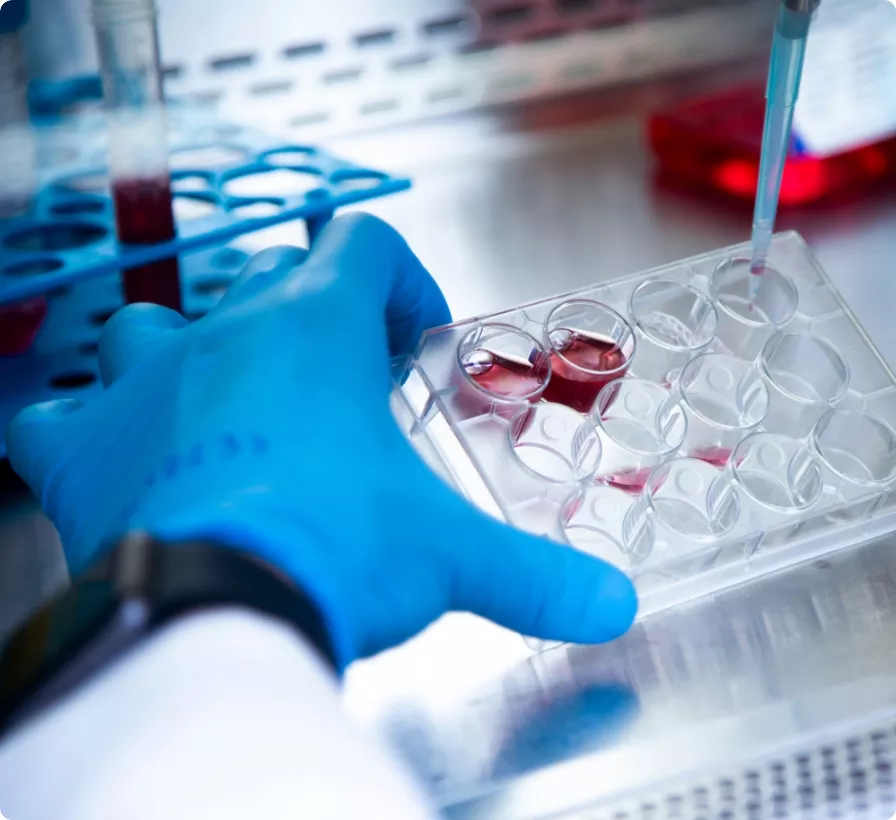
A scientist pipetting a red liquid into a multi-well plate in a laboratory setting.

Proven Intelligence Accelerating Next-Generation Therapies.

Executive Summary

A successful technology transfer of an AAV manufacturing process to a UK-based CDMO is contingent on the quality and completeness of the documentation package. Insufficient data, poorly defined process parameters, or an incomplete development history can lead to significant delays, batch failures, and jeopardized regulatory timelines with the MHRA. A robust, transfer-ready dossier contains the components designed to mitigate these risks, ensuring process fidelity and accelerating the path to Investigational Medicinal Product Dossier (IMPD) submissions.

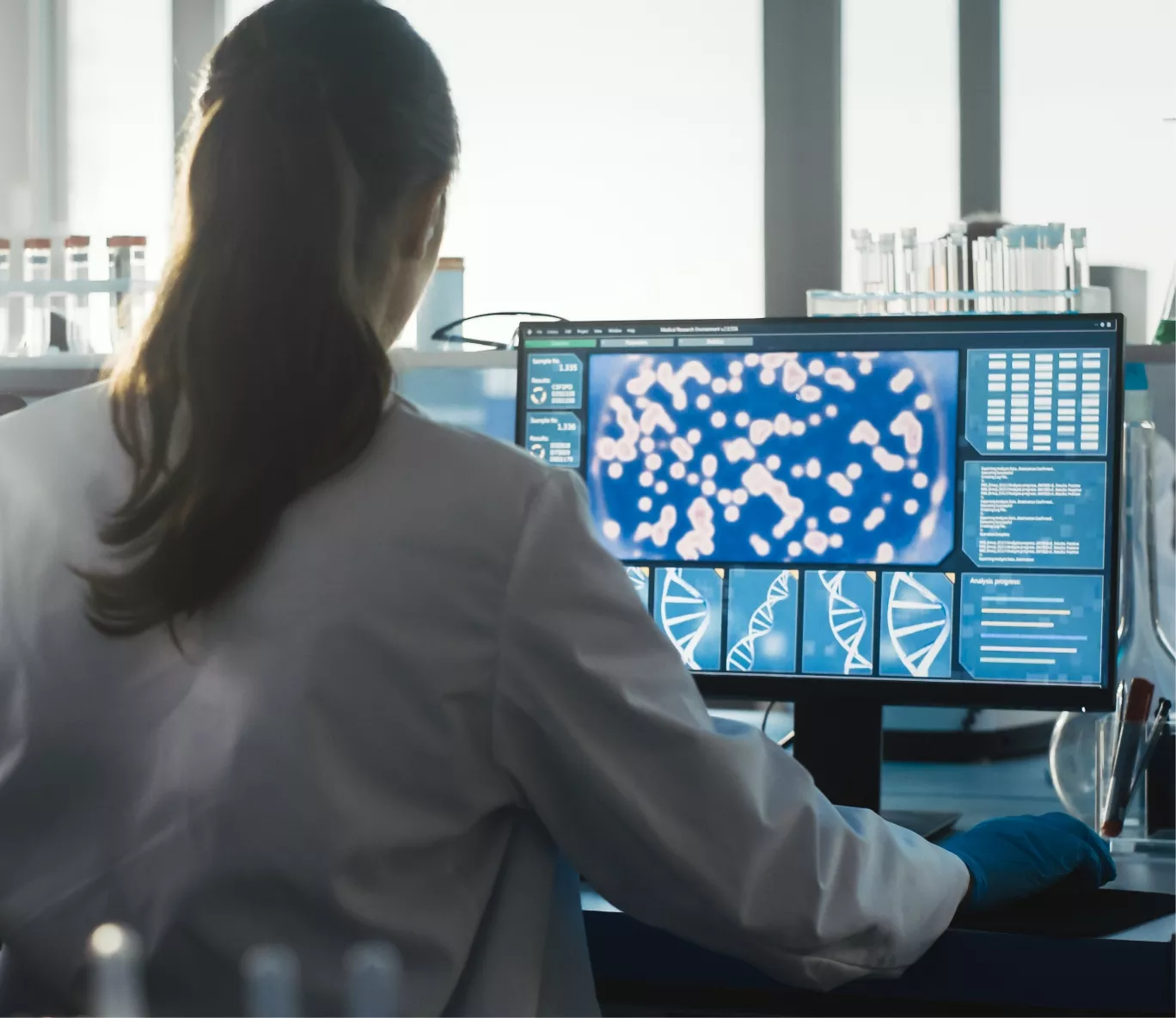
A female scientist in a lab coat analyzes complex biological data, including cellular imagery and DNA models, on a computer screen.

Frequently Asked Questions

    What is a primary cause of AAV tech transfer failure?

    Failures are frequently rooted in incomplete knowledge transfer. This includes a lack of detailed process development history, insufficient characterization of raw materials, and poorly documented analytical method qualifications, leaving the receiving CDMO to rediscover influential process parameters.

    How does a documentation package support an MHRA submission?

    A comprehensive dossier provides the foundational data for the Chemistry, Manufacturing, and Controls (CMC) section of an IMPD. It demonstrates process consistency, product quality, and control over defined quality attributes, which are required by UK regulators.

    What documentation is needed for novel or engineered capsids?

    For engineered vectors, such as those modified to reduce immunogenicity (PMID: 16125817), the information must include the full rationale for the modification, characterization data comparing it to a parental capsid, and any adjustments made to downstream purification processes.

A senior scientist with grey hair is mentoring a diverse group of younger scientists or students in a laboratory setting.

The Architecture of a Transfer-Ready Dossier

Transferring an AAV manufacturing process requires a comprehensive data package that functions as a complete operational blueprint. The receiving manufacturing site uses this information to replicate the process and understand its boundaries and rationale.

A complete package includes:

  • Process Development History: A full narrative of process evolution, including parameters that were tested and rejected. This context prevents the receiving team from repeating failed experiments.

  • Analytical Method Transfer: Detailed protocols for all qualified or validated assays, including reference standard characterization, stability data, and system suitability criteria.

  • Raw Material Specifications: A complete list of all materials, suppliers, and release specifications. This includes qualification data for any custom or non-compendial materials.

  • Plasmid Lineage and Controls: Full documentation of plasmid construction, sequencing verification, and cell bank generation and characterization.

Documenting Process Nuances and Biological Risk

The dossier must capture the scientific insights that inform process controls. For instance, unexpected biological outcomes, such as cellular toxicity observed during preclinical evaluations (PMID: 21542669), directly influence the definition of product-related impurity limits and the analytical methods required to monitor them. Without this historical context, a CDMO may not recognize the significance of specific quality attributes.

This approach ensures that all process knowledge is codified. Strategic Documentation Systems Accelerating Audit Readiness create a transparent and defensible data trail for regulatory review by agencies like the MHRA.

The successful execution of such comprehensive documentation relies on deep scientific expertise across all facets of vector production and analytics, which is essential for anticipating and mitigating potential challenges during technology transfer.

Our >100,000 sq ft facility provides the infrastructure to generate the robust data packages required for these complex programs, supporting an 18-24 month timeline to IND. While the Franklin Biolabs brand launched in 2024, our scientific leadership’s track record has contributed to a 100% IND success rate for programs since 2019.

A senior scientist leads a discussion with a group of diverse junior scientists in a bright, modern laboratory setting.

Technical Visualization: Core Components of a Tech Transfer Dossier

Scientific Process Diagram

This content is for informational purposes. For guidance specific to your therapeutic program, please contact our team for a consultation.