Glycosylation Profiling of Recombinant Proteins using HILIC-FLR-MS for UK Regulatory Filings

PROVEN INTELLIGENCE ACCELERATING NEXT-GENERATION THERAPIES

Glycosylation Profiling of Recombinant Proteins using HILIC-FLR-MS for UK Regulatory Filings

Glycosylation Profiling for Viral Vector Characterization

CELL & GENE | RNA | BIOLOGICS

A stylized, 3D rendering of a DNA double helix in light blue and white, set against a soft-focus, light gray background.

Proven Intelligence Accelerating Next-Generation Therapies.

Executive Summary

For UK-based sponsors of viral vector therapies, demonstrating consistent product quality to the MHRA is a primary determinant of clinical progression. Glycosylation patterns on recombinant proteins and viral capsids directly influence immunogenicity, stability, and potency. This page details the use of Hydrophilic Interaction Liquid Chromatography with Fluorescence Detection and Mass Spectrometry (HILIC-FLR-MS) to provide the high-resolution glycan analysis required for Investigational Medicinal Product Dossier (IMPD) submissions, minimizing regulatory risk and supporting an accelerated path to clinical trials.

Frequently Asked Questions

    What is the primary role of HILIC-FLR-MS in viral vector analytics?

    HILIC-FLR-MS provides quantitative and qualitative analysis of N-glycans released from viral vector proteins or associated recombinant proteins. It separates glycans based on hydrophilicity, allowing for precise identification and quantification of each structure, which is a key product quality attribute for regulatory bodies like the MHRA.

    How does glycosylation impact AAV or Lentivirus vector efficacy?

    The glycan profile can affect vector tropism, transduction efficiency, and immunogenicity. Inconsistent or aberrant glycosylation may lead to rapid clearance by the immune system or trigger an unintended inflammatory response, compromising both the safety profile and the potential for long-term transgene expression.

    Why is this level of characterization needed for an IMPD submission in the UK?

    The MHRA requires a comprehensive data package demonstrating product consistency and a deep understanding of product quality attributes. Glycosylation is considered a quality attribute for many biologics. Providing detailed HILIC-FLR-MS data proactively addresses potential questions on product heterogeneity and its biological impact.

A scientist in a sterile laboratory setting uses a multichannel pipette to transfer pink liquid into a multi-well plate for a high-throughput experiment.

Regulatory Expectations for Glycan Characterization

For viral vector programs, particularly those involving AAV and lentiviral platforms, establishing a consistent manufacturing process is fundamental. The MHRA places significant emphasis on the characterization of product-related impurities and variants. Glycosylation profiles represent a major source of potential heterogeneity that must be rigorously controlled and documented.

An unstable glycan profile between manufacturing batches can introduce significant variability into preclinical toxicology programs and clinical outcomes. This variability complicates the interpretation of safety and efficacy data, posing a direct risk to program timelines. A well-defined analytical strategy supports a successful IMPD submission.


FBL-VID-02-Approved_enhanced_affordable_clip_long.mp4


A blue-toned image of white lab rats in their cages within a laboratory or vivarium setting, likely for scientific research or testing.

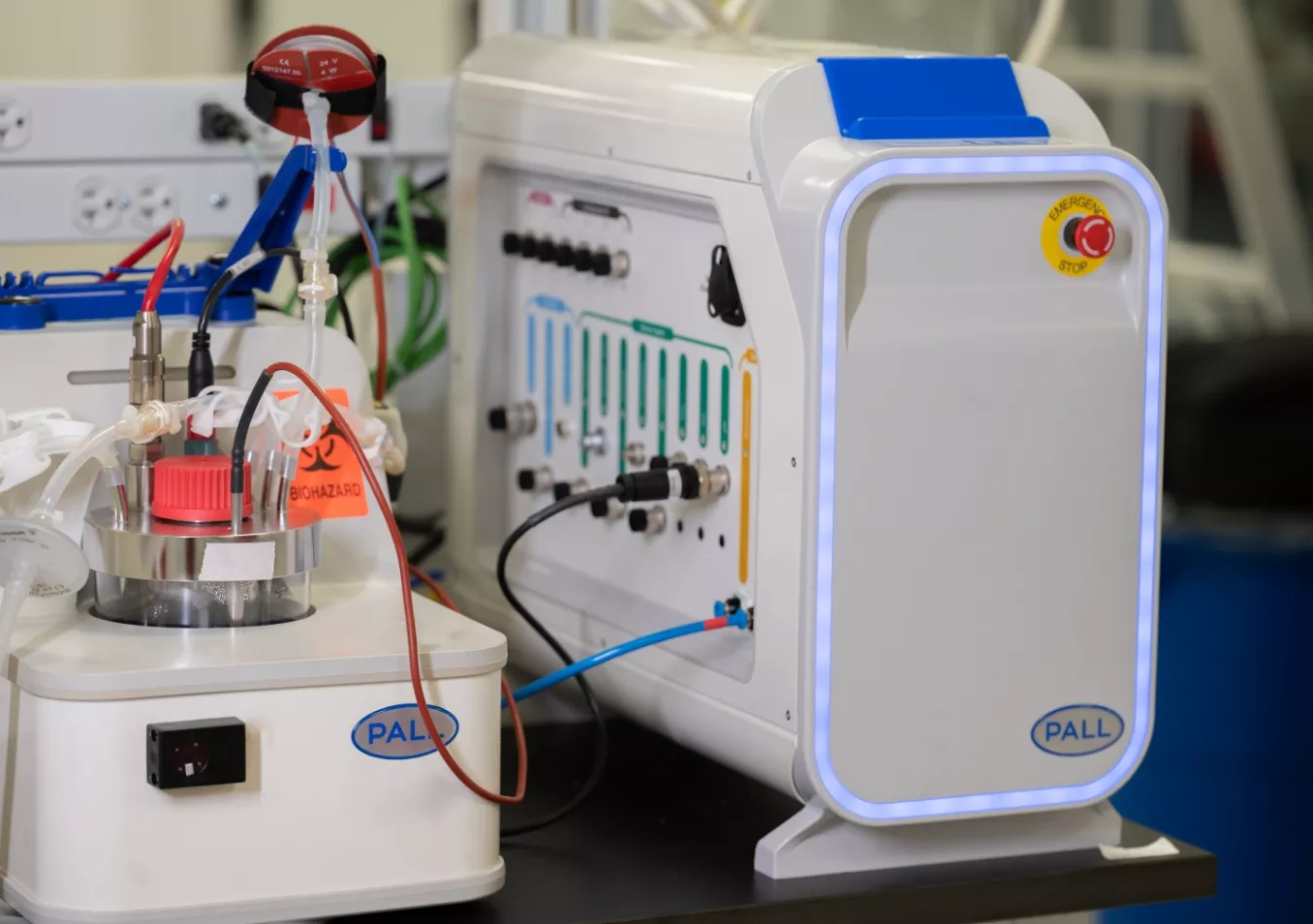
A close-up shot of a modern bioreactor system and control unit from Pall Corporation in a clean laboratory environment.

Correlating Glycan Structure with Biological Function

The objective of detailed product characterization is to link specific molecular attributes to in vivo biological activity. The ability to achieve sustained transgene expression, for instance, is directly related to controlling the host immune response. Work demonstrating that specific delivery routes can induce T regulatory responses highlights the delicate balance required for long-term protein expression (PMID: 24231351).

This tolerance can be disrupted by inconsistent product attributes. Aberrant glycans can act as neo-antigens, undermining the suppressive microenvironment needed to control cytotoxic responses to the vector or transgene product (PMID: 19575456). By ensuring a consistent and well-characterized glycan profile, developers can minimize the risk of lot-to-lot immunogenic variability, a key step toward predictable and durable therapeutic effect.

Our Analytical Workflow for MHRA Submissions

Our analytics are performed within a >100,000 sq ft facility designed to support programs from discovery through GxP-compliant IND-enabling studies. We provide a structured approach to glycosylation profiling that yields data suitable for UK regulatory review.

  • Enzymatic Glycan Release: N-glycans are specifically cleaved from the protein backbone using PNGase F.

  • Fluorescent Labeling: Released glycans are tagged with a fluorescent dye (e.g., 2-AB) to enable sensitive detection.

  • HILIC Separation: The labeled glycan pool is separated via HILIC, which resolves structures based on size and composition.

  • FLR & MS Detection: Eluted glycans are detected by fluorescence and analyzed by mass spectrometry for definitive structural identification and relative quantification.

  • Data Reporting: A comprehensive report is generated, detailing the glycan profile with quantitative data suitable for inclusion in the CMC section of an IMPD.

This methodical approach supports an 18-24 month IND timeline by providing clear, actionable data that de-risks regulatory interactions. While the Franklin Biolabs brand launched in 2024, our scientific leadership’s work has contributed to a 100% successful IND rate for sponsors since 2019.

A stylized 3D rendering of a DNA double helix, composed of light-colored spheres on a translucent blue backbone, set against a soft-focus, light blue background.

Technical Visualization: HILIC-FLR-MS Analytical Workflow for Glycan Profiling

Scientific Process Diagram

This content is for informational purposes. For guidance specific to your therapeutic program, please contact our team for a consultation.