Large-Scale Manufacturing Capabilities

PROVEN INTELLIGENCE ACCELERATING NEXT-GENERATION THERAPIES.

Large-Scale Manufacturing Capabilities

Scaling Vector Production for Preclinical and Clinical Programs

CELL & GENE | RNA | BIOLOGICS
The Imperative of Integrated Process Development and CMC

Scaling the production of viral vectors for advanced therapeutics and complex biologics presents distinct technical challenges that influence program timelines and viability. Applying proven intelligence in process development and chemistry, manufacturing, and controls (CMC) is the mechanism for accelerating these next-generation therapies from preclinical validation toward IND submission. A reproducible and well-characterized manufacturing process is integral to the therapeutic asset itself.

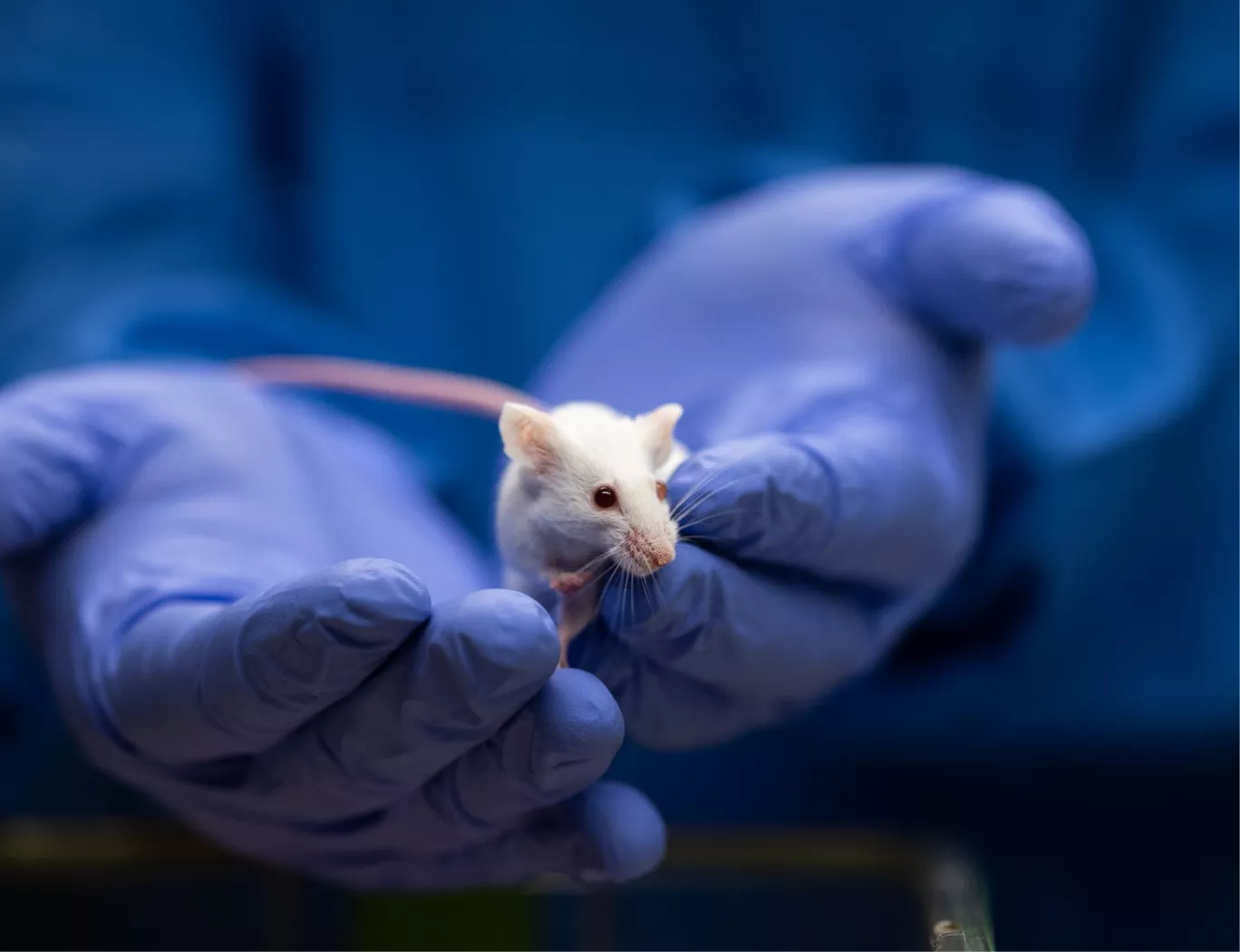
A close-up of a scientist in blue gloves gently holding a small, white laboratory mouse, likely in a research setting.

Adherent-to-Suspension Platform Transition and Scalability

The transition from small-scale, adherent-based cultures to scalable suspension platforms represents a frequent inflection point for many programs. Our experience spans this continuum, from initial process development in 2L systems to scaled production in 200L+ single-use bioreactors. This capability ensures a consistent supply of high-quality vector for IND-enabling toxicology studies and subsequent clinical phases.

Established Manufacturing Platforms by Vector Modality

Our large-scale manufacturing services are built upon established platforms for the following vector types:

  • Adeno-Associated Virus (AAV): Support for clinically validated serotypes including AAV8 and AAV9, as well as novel engineered capsids, using both adherent and AAV scalable suspension systems.
  • Lentivirus (LV): Production processes tailored for vectors intended for ex vivo cell transduction.
  • Adenovirus (AdV): High-capacity adenoviral vector manufacturing.
  • Plasmid DNA: Production of high-quality plasmid material required for viral vector manufacturing and as direct therapeutic agents.

A stylized rendering of a DNA double helix on the left side of a light blue gradient background.

Defining Critical Quality Attributes (CQAs) Based on In-Vivo Functional Requirements

A manufacturing process must be designed with a deep understanding of the vector’s intended in vivo behavior. Landmark clinical trials, which established AAV as a viable platform for in vivo gene transfer, underscore the critical link between a vector’s functional characteristics and therapeutic efficacy (PMID: 18809924). This clinical precedent directly informs the definition of critical quality attributes that our manufacturing and analytical platforms are designed to monitor and control, minimizing clinical risk before the first human administration.

Process Optimization for Cost of Goods (COGs) Reduction

Optimizing the manufacturing process has a direct impact on the accessibility of these therapies. As noted by our supply chain colleagues, “If we can optimize the manufacturing process and reduce the cost of goods, we make these life-saving therapies accessible to the people who actually need them.” This principle guides our approach to developing efficient and robust production systems.


Scientific Process Diagram

This content is for informational purposes. For guidance specific to your therapeutic program, please contact our team for a consultation.