Managing Environmental Monitoring Data Integrity for Cell Therapy Manufacturing in Compliance with FDA Standards

PROVEN INTELLIGENCE ACCELERATING NEXT-GENERATION THERAPIES

Managing Environmental Monitoring Data Integrity for Cell Therapy Manufacturing in Compliance with FDA Standards

Managing Environmental Monitoring Data Integrity for Viral Vector Manufacturing

CELL & GENE | RNA | BIOLOGICS

A researcher in a lab coat and blue gloves gently holds three white lab mice, symbolizing animal models in scientific research.

Proven Intelligence Accelerating Next-Generation Therapies.

Executive Summary

For viral vector manufacturing programs targeting IND submission, environmental monitoring (EM) data integrity is a foundational component of GxP compliance. A systemic approach to data management, encompassing collection, review, and archival, is required to meet FDA standards and withstand regulatory scrutiny. This involves implementing robust electronic systems with validated audit trails, ensuring data adheres to ALCOA+ principles, and connecting environmental controls directly to batch record integrity. The objective is to build a verifiable dataset that confirms the aseptic conditions necessary for producing consistent AAV, lentivirus, and adenovirus vectors.

A digital rendering of a DNA double helix on a dark blue background with floating particles.

Frequently Asked Questions

    What are the core FDA expectations for EM data integrity?

    The FDA expects all data to be attributable, legible, contemporaneous, original, and accurate (ALCOA+). For EM data, this means clear records of who performed the sampling, when and where it was done, the original results from instrumentation, and a secure, unalterable audit trail for all data entries and modifications.

    How does data integrity for viral vectors differ from other biologics?

    The sensitivity of viral vector production, particularly with open processing steps for AAV or lentivirus, elevates the importance of EM. Any environmental excursion poses a direct risk to the batch. The data must provide an accurate, high-resolution history of the cleanroom environment during the entire production run, leaving no gaps in the record.

    What systems are used to manage EM data in a GxP environment?

    A validated Laboratory Information Management System (LIMS) is the standard for managing EM data. It integrates with monitoring equipment, automates data capture, enforces standardized workflows, and provides secure, time-stamped audit trails. This replaces manual paper records, which are susceptible to transcription errors and data loss.

A stylized, 3D rendering of a DNA double helix in light blue and white, set against a soft-focus, light gray background.

The Requirement for Verifiable Environmental Controls

Maintaining aseptic conditions is a baseline requirement for manufacturing viral vectors. The data generated from environmental monitoring is the definitive record that proves these conditions were met. Inconsistent or poorly documented EM data can invalidate an entire production batch and jeopardize regulatory submissions. The focus must be on the integrity of the data lifecycle itself.

This process begins with a risk-based monitoring plan that identifies locations and sampling frequencies. It extends through the chain of custody for each sample and culminates in a secure data archive that is readily accessible for quality assurance review and regulatory inspection.

A Framework for Compliant Data Management

A defensible data integrity strategy is built on specific, auditable controls. These systems ensure that all information is captured and maintained in a compliant state throughout the vector manufacturing process.

  • Validated Electronic Systems: Implementation of a centralized LIMS for all EM data, from viable and non-viable particulate counts to temperature and humidity readings.

  • User Access Controls: Role-based permissions that restrict data entry and modification to authorized personnel, ensuring accountability.

  • Immutable Audit Trails: Automatic logging of all actions: data creation, modification, or deletion, complete with user ID, timestamp, and the reason for any change.

  • Data Archival and Retrieval: Secure, long-term storage of all raw data and metadata, with procedures for timely retrieval during audits.

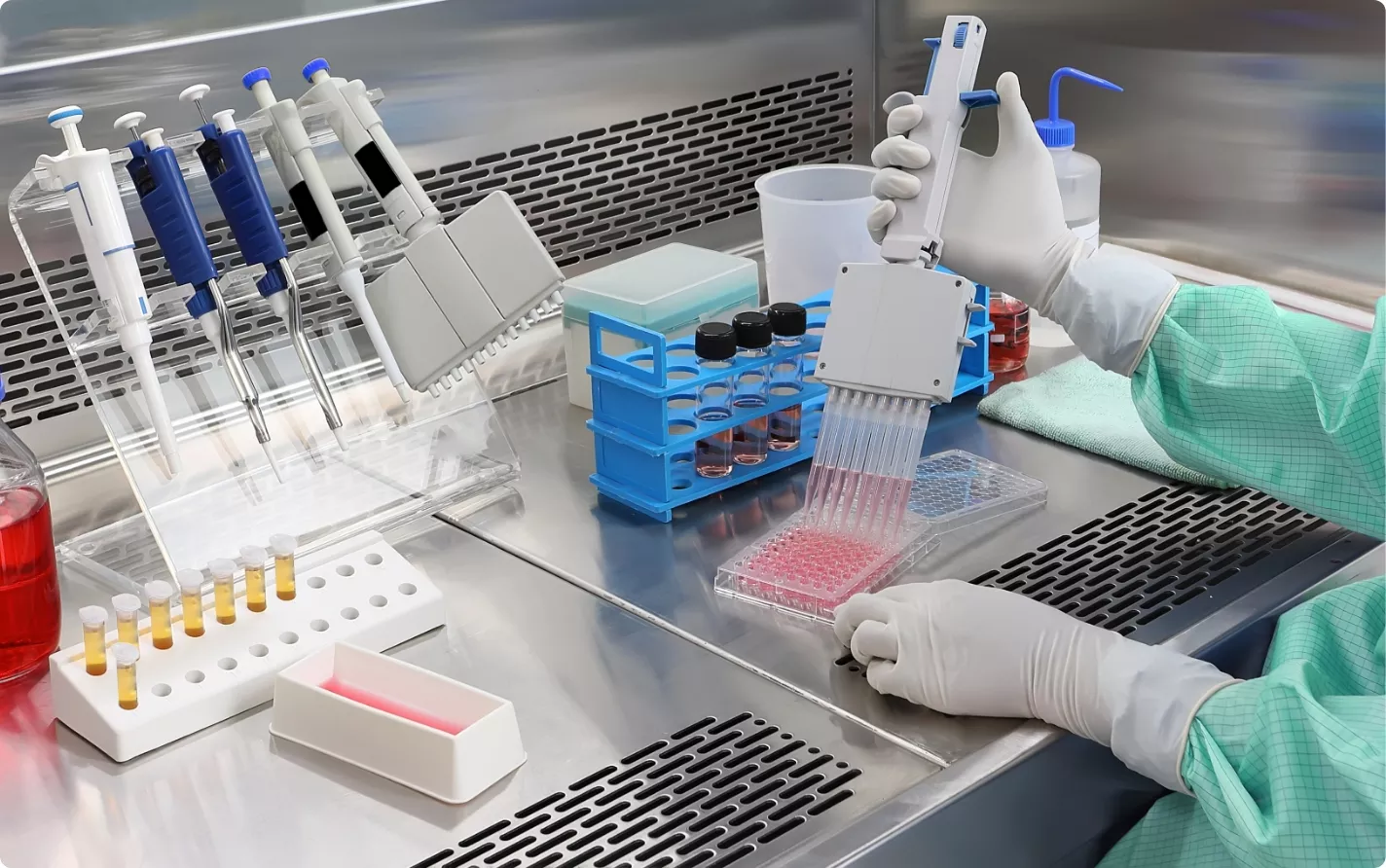
A scientist in a sterile laboratory setting uses a multichannel pipette to transfer pink liquid into a multi-well plate for a high-throughput experiment.

From Data Collection to Audit Readiness

The transition from raw data points to an audit-ready package requires a structured workflow. Each data point must be reviewed against established alert and action limits. Any excursion triggers a formal deviation investigation, with all findings documented within the system. This creates a complete narrative for each batch, linking environmental conditions directly to the final product’s quality attributes, and serves as the basis for strategic documentation systems accelerating audit readiness.

“We started collaborating with UPenn Vector core in 2023 and the AAV vector which they manufactured laid a foundation for development of a gene therapy candidate which will enter soon preclinical studies. The key people from UPenn Vector Core joined Franklin Biolabs and our partnership transitioned without interruption from UPenn Vecor Core to Franklin Biolabs Research Vector Division. Franklin Biolabs is a key collaborator in our AAV-vector based gene therapy candidate development and we hope to continue the partnership for years to come.”
— Biotech Partner

Connecting Process Controls to Product Integrity

The consistency of a viral vector is a direct result of the control exerted over the manufacturing process. The complex biological activity of AAV vectors, for instance, is highly dependent on the purity and integrity of the final product (PMID: 27937051). While that work focused on downstream biological effects, the principle holds: unpredictable biological outcomes are minimized when manufacturing inputs are maximally controlled. Verifiable EM data is the primary evidence demonstrating that the manufacturing environment was not a source of variability, ensuring that the observed product profile is a true function of the process itself. This level of documentation is a key component of the programs that have contributed to a 100% IND success rate for work initiated since 2019, a legacy of process rigor carried forward with the launch of Franklin Biolabs in 2024.

A blue-toned image of white lab rats in their cages within a laboratory or vivarium setting, likely for scientific research or testing.

Technical Visualization: Environmental Monitoring Data Lifecycle

Scientific Process Diagram

This content is for informational purposes. For guidance specific to your therapeutic program, please contact our team for a consultation.