Phase-Appropriate CMC Strategy for AAV-based Gene Therapies Targeting Global Clinical Trials

PROVEN INTELLIGENCE ACCELERATING NEXT-GENERATION THERAPIES

Phase-Appropriate CMC Strategy for AAV-based Gene Therapies Targeting Global Clinical Trials

CELL & GENE | RNA | BIOLOGICS

A close-up of a scientist in a lab, wearing blue gloves and examining the results of a gel electrophoresis or Western blot.

Proven Intelligence Accelerating Next-Generation Therapies.

Executive Summary

A phase-appropriate Chemistry, Manufacturing, and Controls (CMC) strategy aligns plasmid design, vector production, process development, and analytical characterization with the specific requirements of each development stage. This approach is necessary for advancing AAV-based therapies from discovery to IND submission. By front-loading key decisions and employing scalable production platforms, programs can minimize risk, avoid redevelopment, and maintain momentum toward global regulatory filings, including IMPD and MHRA submissions.

A close-up of a pipette dispensing liquid into a rack of test tubes, set against a cool-toned, sterile background.

Technical FAQ

    What defines a “phase-appropriate” CMC strategy for AAV?

    A phase-appropriate strategy ensures the manufacturing process, analytical methods, and quality attributes are suitable for the current stage of development. For early preclinical work, the focus is on speed and material supply. As a program approaches IND, the emphasis shifts to process consistency, scalability, and the development of robust, qualified analytical assays under GxP conditions.

    When should sponsors consider scaling AAV production from adherent to suspension platforms?

    The decision to transition from adherent to suspension culture is a function of clinical demand and commercial forecasting. While adherent platforms are effective for early-stage and certain niche applications, suspension platforms offer superior scalability. This transition should be planned early in process development to ensure comparability and avoid delays before pivotal nonclinical or clinical studies.

    How does plasmid strategy impact long-term AAV CMC?

    The initial plasmid design and sourcing strategy has significant downstream implications. Considerations include the quality grade of the plasmid (e.g., research vs. GMP-grade), intellectual property, and the consistency of the supply chain. A robust plasmid platform is foundational for reproducible vector production and is a point of regulatory scrutiny.

A scientist in protective gear pipetting a sample into a vial within a sterile laboratory hood.

Aligning Vector Manufacturing with Global Regulatory Expectations

A forward-looking CMC plan anticipates the requirements of multiple regulatory bodies, such as the FDA and MHRA. This requires building a comprehensive data package that demonstrates control over the manufacturing process and ensures product quality and consistency. A standard template does not exist; each strategy must be tailored to the specific AAV serotype, gene of interest, and target indication.

The objective is to create a scalable and well-characterized process. This begins with optimizing plasmid inputs and establishing a production system, whether adherent or suspension-based, that can support the entire program lifecycle. Early investment in process development and analytical method qualification prevents costly setbacks that can delay entry into IND-enabling toxicology studies.

The Role of Analytics in a Proactive CMC Framework

Robust analytical capabilities are the bedrock of a successful CMC program. Phase-appropriate assay development provides the data required to assess vector identity, purity, potency, and quantity.

Key analytical considerations include:

  • Vector Genome Titer and Integrity: Precise quantification using methods like ddPCR and integrity assessment via next-generation sequencing.

  • Capsid Characterization: Analysis of full/empty capsid ratios, a quality attribute influencing potency and potential immunogenicity.

  • Potency Assays: Development of a relevant in vitro cell-based assay that reflects the vector’s mechanism of action.

  • Residual Impurity Profiling: Quantification of process-related impurities (e.g., host cell proteins, DNA) and product-related impurities.

These analytics are not static. They must be developed and qualified in a phase-appropriate manner, evolving in rigor as the program advances toward clinical trials. This approach provides the necessary data to support regulatory filings and de-risk clinical translation.

Our scientific and operational teams provide comprehensive expertise across vector production and analytics, ensuring a collaborative and scientifically rigorous partnership for client programs.

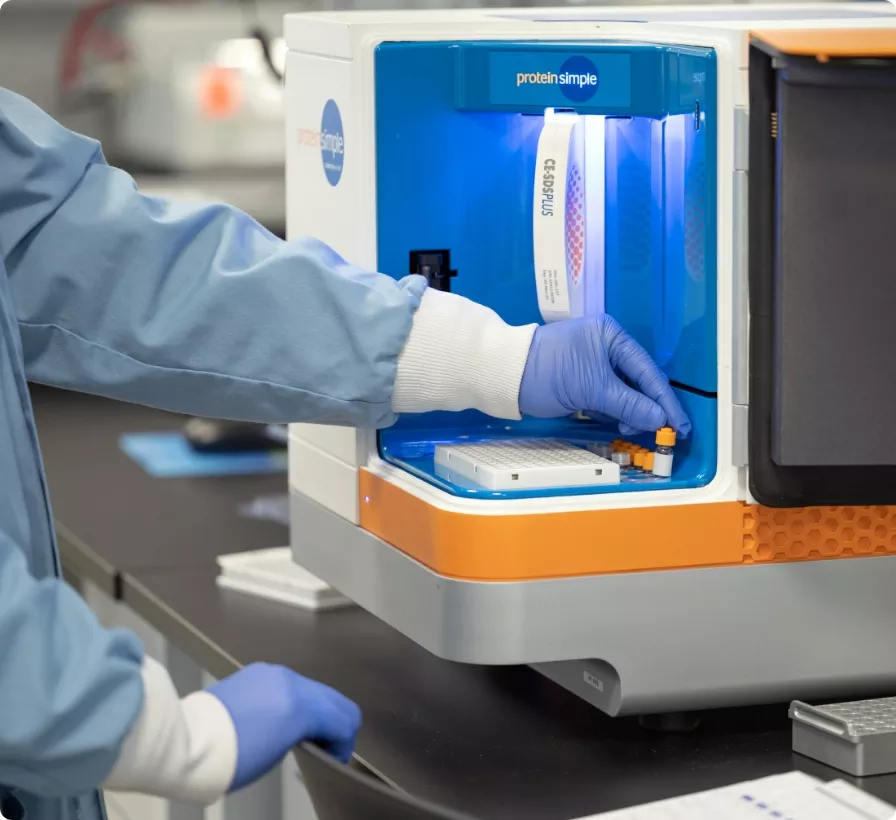
A scientist in a lab coat and gloves loads samples into a ProteinSimple instrument for analysis.

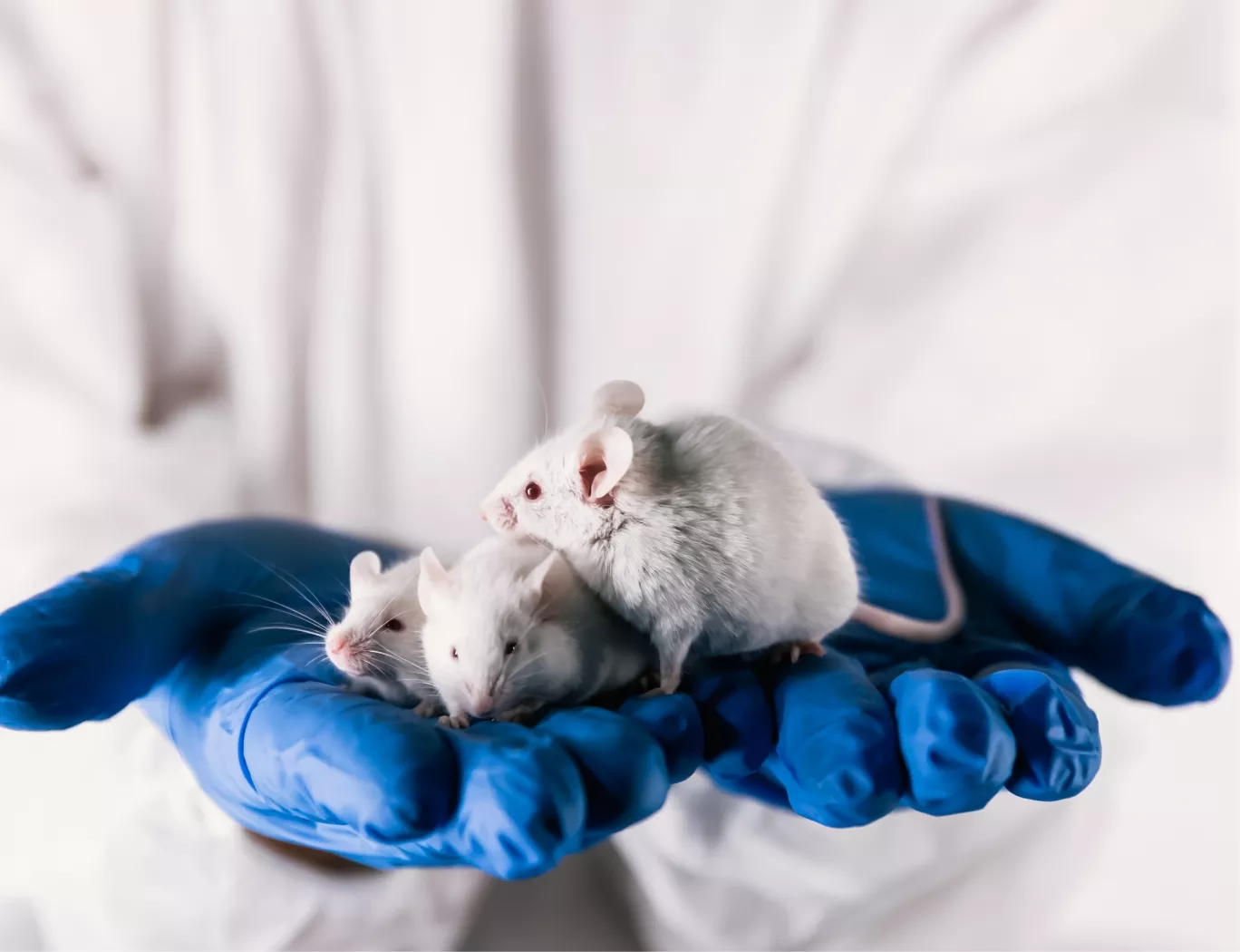
A researcher in a lab coat and blue gloves gently holds three white lab mice, symbolizing animal models in scientific research.

From Process Development to IND Readiness

The path from a research-grade vector to an IND-ready candidate is a multi-step process managed within our >100,000 sq ft facility. The ability of dual AAV vector systems to achieve stable, long-term protein expression (PMID: 30975639) highlights the therapeutic potential and underscores the need for a manufacturing process capable of sustained, consistent production. This is achieved by establishing a scalable platform early, ensuring that the process used for pivotal nonclinical studies is representative of the clinical manufacturing process.

This integrated approach helps sponsors achieve an 18-24 month IND timeline. While the Franklin Biolabs brand launched in 2024, our scientific lineage and core operational teams have contributed to a 100% successful IND rate for client programs since 2019.

Technical Visualization: Phase-Appropriate AAV CMC Workflow

Scientific Process Diagram

This content is for informational purposes. For guidance specific to your therapeutic program, please contact our team for a consultation.