Plasmid Backbone Design Considerations for Scalable GMP-Grade Vector Production

PROVEN INTELLIGENCE ACCELERATING NEXT-GENERATION THERAPIES

Plasmid Backbone Design Considerations for Scalable GMP-Grade Vector Production

Plasmid Design for Scalable AAV Manufacturing

CELL & GENE | RNA | BIOLOGICS

A stylized, 3D rendering of a DNA double helix in light blue and white, set against a soft-focus, light gray background.

Executive Summary

The design of the plasmid backbone is a primary determinant of AAV vector yield, purity, and potency. Sequence choices made during discovery directly impact the feasibility, timeline, and cost of scalable GxP-compliant manufacturing. Proactive consultation on elements like inverted terminal repeats (ITRs), promoter/enhancer selection, and antibiotic resistance markers is a direct lever for de-risking the path to IND.

Frequently Asked Questions

Question Answer
What is a common mistake in plasmid design for AAV? Using research-grade elements that present regulatory or scalability challenges. This often involves antibiotic resistance genes disfavored by agencies (e.g., ampicillin) or cryptic DNA sequences that can lead to recombination events and reduce full-capsid yield.
How does the plasmid backbone affect AAV vector yield? The backbone dictates transcriptional efficiency and packaging fidelity. The integrity of ITR sequences is a primary factor for replication and packaging, while the choice of promoter, enhancer, and polyadenylation signals directly governs transgene expression levels, which correlates with final vector titer.
Why is a GxP-ready plasmid source important for development? A well-documented, GxP-compliant plasmid source ensures identity, purity, and traceability. Starting with a robust master cell bank (MCB) prevents costly and time-consuming rework when a program transitions from preclinical research to formal IND-enabling manufacturing.

The transition from research-scale vector production to a scalable, GxP-compliant manufacturing process introduces significant technical and regulatory pressures. Downstream manufacturing bottlenecks frequently originate from the initial design of the expression plasmids. Decisions regarding the plasmid backbone, made months or years earlier, can have profound consequences on process development, final product quality, and the overall program timeline.

At our >100,000 sq ft facility, we have seen firsthand how early, expert-led consultation on plasmid architecture can streamline the entire development pathway. By optimizing the plasmid for manufacturability from the outset, teams can avoid common pitfalls that lead to low yields, inconsistent product quality, and regulatory delays.

Learn more about our facilities by viewing the [full site tour]).

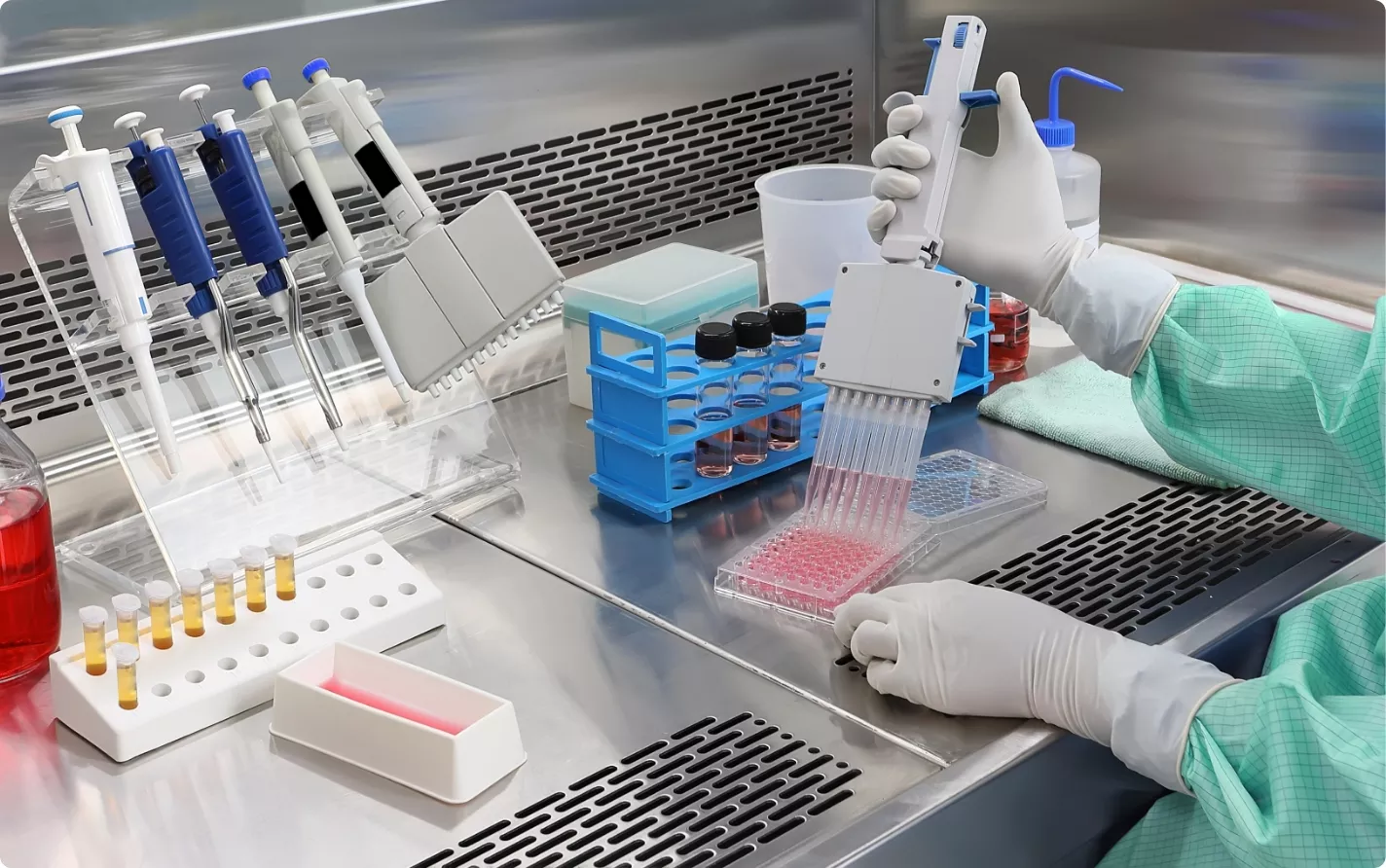
A scientist in a sterile laboratory setting uses a multichannel pipette to transfer pink liquid into a multi-well plate for a high-throughput experiment.

Core Components and Regulatory Considerations

A robust plasmid design strategy balances high-level transgene expression with the practical realities of large-scale production and regulatory expectations. Key areas of focus include:

  • ITR Integrity: The sequence fidelity of the inverted terminal repeats is a primary determinant of packaging efficiency and can influence the empty-to-full capsid ratio.

  • Promoter and Enhancer Selection: While strong, ubiquitous promoters may seem ideal for maximizing expression, they can sometimes lead to off-target expression or immunogenicity. A careful analysis of tissue-specific promoters versus constitutive promoters is necessary to align with the intended therapeutic mechanism.

  • Polyadenylation (pA) Signal: A strong and stable pA signal is required for proper transcription termination and mRNA stability, directly influencing protein expression and, consequently, vector titer.

  • Bacterial Backbone Elements: The choice of antibiotic resistance gene is a key regulatory checkpoint. Kanamycin resistance is widely accepted for GxP production, whereas ampicillin resistance is often discouraged due to potential patient sensitivity to beta-lactam antibiotics.

Designing for Process Efficiency and Product Potency

Beyond individual components, the overall plasmid architecture influences the efficiency of the entire manufacturing process. As demonstrated in studies on AAV production, vector characteristics can be modulated to simplify downstream processing. For instance, certain serotypes are more efficiently released into the culture medium, a trait that can be influenced by capsid-plasmid interactions and potentially streamlined through intelligent design, reducing reliance on aggressive cell lysis techniques (PMID: 20649475).

This forward-thinking approach provides Strategic Design Guidance Accelerating Development Lifecycles. It extends to the final product’s biological activity. A well-designed plasmid that yields a high-titer, high-purity vector is the first step toward defining a product’s potency and achieving a minimally effective dose in vivo, a key objective for reducing patient risk and improving the therapeutic window (PMID: 34652966). As one of our biotech partners noted, our team provides, “Wonderful services. Excellent team to work with. Vast knowledge in all aspects of vector production and analytics.”

This deep analytical understanding, applied early in development, is what enables our partners to confidently navigate the typical 18-24 month timeline to IND. Our 100% IND approval success rate for programs supported since 2019 (with the Franklin Biolabs brand launching in 2024) is built on this principle of proactive, science-led design.

A blue-toned image of white lab rats in their cages within a laboratory or vivarium setting, likely for scientific research or testing.

Technical Visualization: Key Decision Points in Plasmid Backbone Design

Scientific Process Diagram

This content is for informational purposes. For guidance specific to your therapeutic program, please contact our team for a consultation.