Plasmid DNA Services for CRISPR-Cas12a Gene Editing Platforms

PROVEN INTELLIGENCE ACCELERATING NEXT-GENERATION THERAPIES

Plasmid DNA Services for CRISPR-Cas12a Gene Editing Platforms

CELL & GENE | RNA | BIOLOGICS

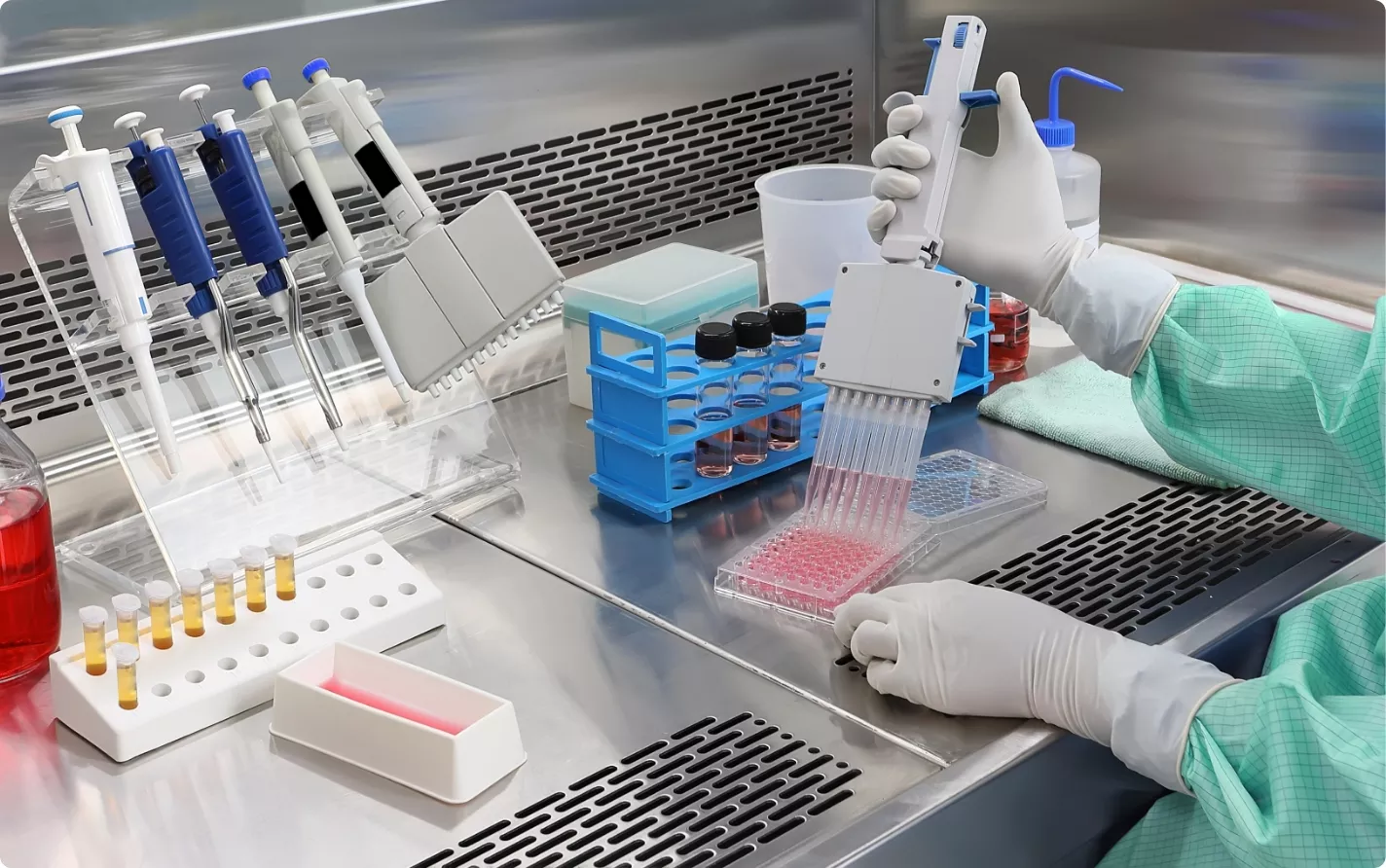
A scientist in a sterile laboratory setting uses a multichannel pipette to transfer pink liquid into a multi-well plate for a high-throughput experiment.

Proven Intelligence in Genomic Vector Design.

Executive Summary

The fidelity of the initial plasmid DNA construct is a primary determinant of success for any gene editing program. Our services focus on the design, cloning, and sequence verification of high-quality plasmids encoding novel CRISPR-Cas12a systems and their associated guide RNAs (gRNAs). We produce research-grade and GxP-compliant starting materials engineered to minimize off-target activity and support accelerated timelines for next-generation therapies. This foundational work is a prerequisite for robust preclinical validation and successful multi-jurisdictional IND submissions.

A blue-toned image of white lab rats in their cages within a laboratory or vivarium setting, likely for scientific research or testing.

Frequently Asked Questions

How does custom plasmid design impact the timeline for IND-enabling toxicology studies for a CRISPR therapeutic?

A precisely engineered plasmid construct directly minimizes risks associated with off-target editing, immunogenicity, and inconsistent expression. By resolving these variables at the vector design stage, we streamline the path toward GxP-compliant nonclinical programs, supporting an 18-24 month IND timeline by generating higher-quality data for regulatory review.

What level of sequence verification is required for plasmids used in gene editing programs targeting EU submissions?

For sponsors targeting global regulatory pathways, including MHRA or other EU bodies, comprehensive verification is expected to demonstrate construct integrity and align with ICH guidelines. Our standard includes full Sanger sequencing of all functional domains, with options for full-plasmid next-generation sequencing (NGS) to provide the highest level of assurance for an Investigational Medicinal Product Dossier (IMPD).

Can you produce plasmids for both viral vector delivery (AAV) and non-viral (LNP) systems?

Yes, our cloning and production services are vector-agnostic. We design and manufacture plasmid DNA optimized for packaging into specified AAV capsids for in vivo delivery or for use as templates in the production of RNA payloads intended for lipid nanoparticle (LNP) formulation.

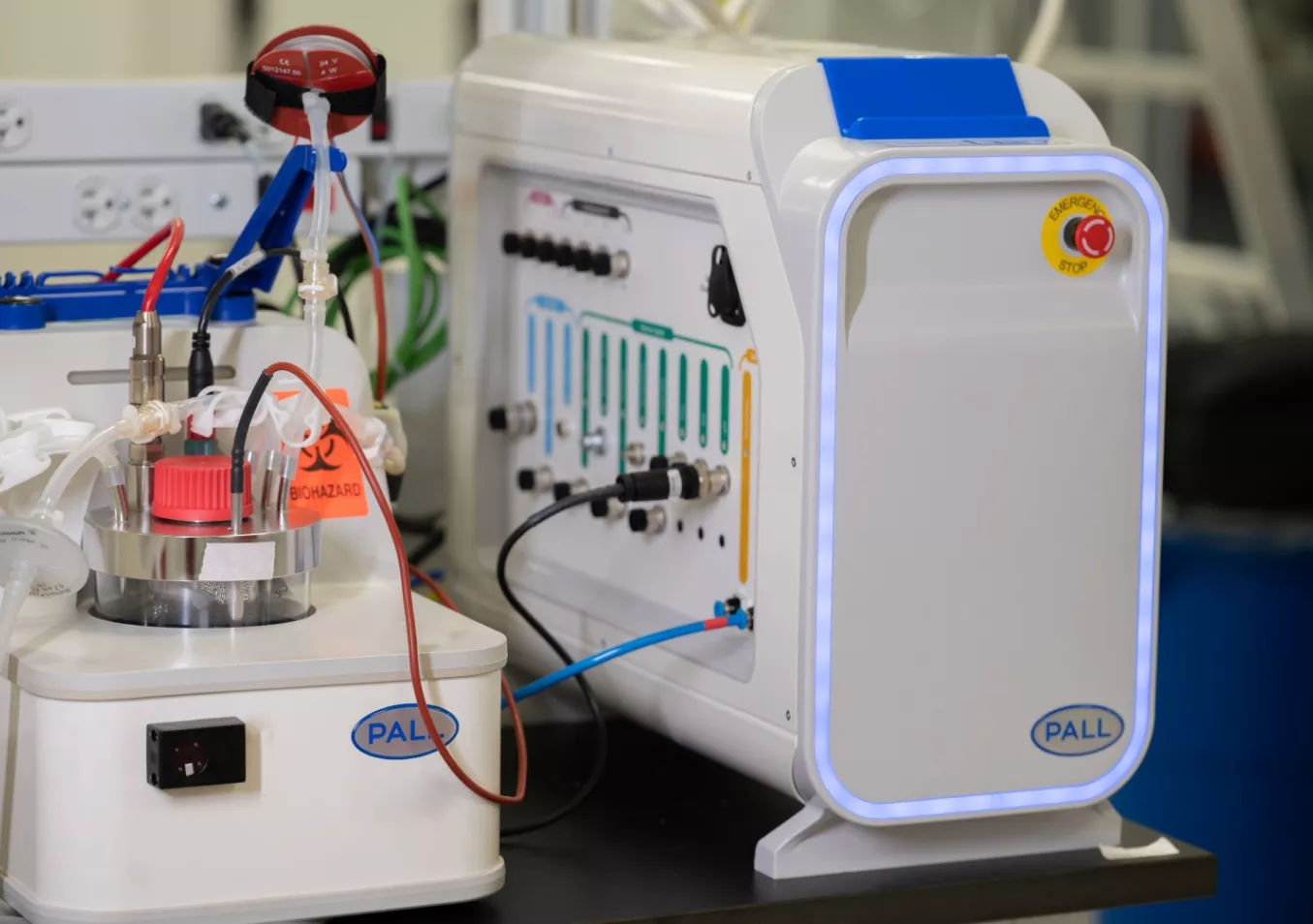
A close-up shot of a modern bioreactor system and control unit from Pall Corporation in a clean laboratory environment.

Engineering High-Fidelity Constructs for Cas12a Systems

The therapeutic potential of CRISPR-Cas12a platforms depends entirely on the integrity of the plasmid DNA used to generate the editing machinery. Unlike earlier nuclease platforms, Cas12a offers distinct advantages, including a T-rich PAM sequence and the generation of staggered DNA cuts, which can favor specific integration pathways. Capitalizing on these features requires plasmid constructs that are meticulously designed and flawlessly executed.

Our approach addresses the primary variables in plasmid engineering for gene editing:

  • Codon Optimization: We adapt the nuclease sequence for optimal expression in the target human or nonhuman primate (NHP) cells, reducing the potential for translational stalling.

  • Promoter & PolyA Selection: Constructs are designed with tissue-specific or ubiquitous promoters to control expression and limit activity in non-target tissues, a key factor in non-target tissue biodistribution assessments.

  • gRNA Cassette Architecture: We clone gRNA sequences into optimized expression cassettes that ensure high-level transcription and proper processing, maximizing on-target editing efficiency.

  • Comprehensive Sequence Verification: All constructs undergo rigorous quality control, including restriction digest mapping and Sanger sequencing of the entire open reading frame and gRNA cassette.

Applying Vectorology Insights to Modern Editing Platforms

Decades of work in AAV vectorology provide a clear lesson: the delivery vehicle is as significant as the therapeutic payload. Foundational research into novel AAV serotypes demonstrated that specific capsids offer superior gene transfer to target tissues like the liver or muscle, a principle that directly informs how gene editing systems are delivered today (PMID: 12192090, 15517544). A perfectly designed Cas12a plasmid is ineffective if its delivery vector cannot reach the target cell population efficiently. Our process integrates this historical knowledge, ensuring that plasmid designs are compatible with the most clinically relevant AAV serotypes or advanced LNP formulations.

This deep understanding of vector biology and regulatory expectations has been honed across thousands of programs. The core scientific leadership and principal scientists at Franklin Biolabs established a track record that includes a 100% successful IND rate since 2019, and this expertise informs every project we undertake. Franklin Biolabs was formally launched in 2024 to scale this proven intelligence. Our >100,000 sq ft of specialized laboratory and housing spaceprovides the capacity to support programs from initial plasmid cloning through pivotal IND-enabling toxicology studies.

Our services provide the foundational assets needed to advance complex gene editing programs. By focusing on the molecular precision of the plasmid, we help sponsors minimize clinical risk and build a robust data package for regulatory engagement. This work is a component of our broader capabilities detailed in our Vector | CMC | Analytics Services.
Scientific Process Diagram

This content is for informational purposes. For guidance specific to your therapeutic program, please contact our team for a consultation.