Pre-IND Meeting Preparation: CMC Package Review for Gene Therapies on the US East Coast

PROVEN INTELLIGENCE ACCELERATING NEXT-GENERATION THERAPIES

Pre-IND Meeting Preparation: CMC Package Review for Gene Therapies on the US East Coast

Pre-IND Meeting Preparation: CMC Package Review for Gene Therapies

CELL & GENE | RNA | BIOLOGICS

Proven Intelligence Accelerating Next-Generation Therapies.

A scientist in a lab coat and gloves looks through a microscope in a laboratory setting, with a blue color overlay.

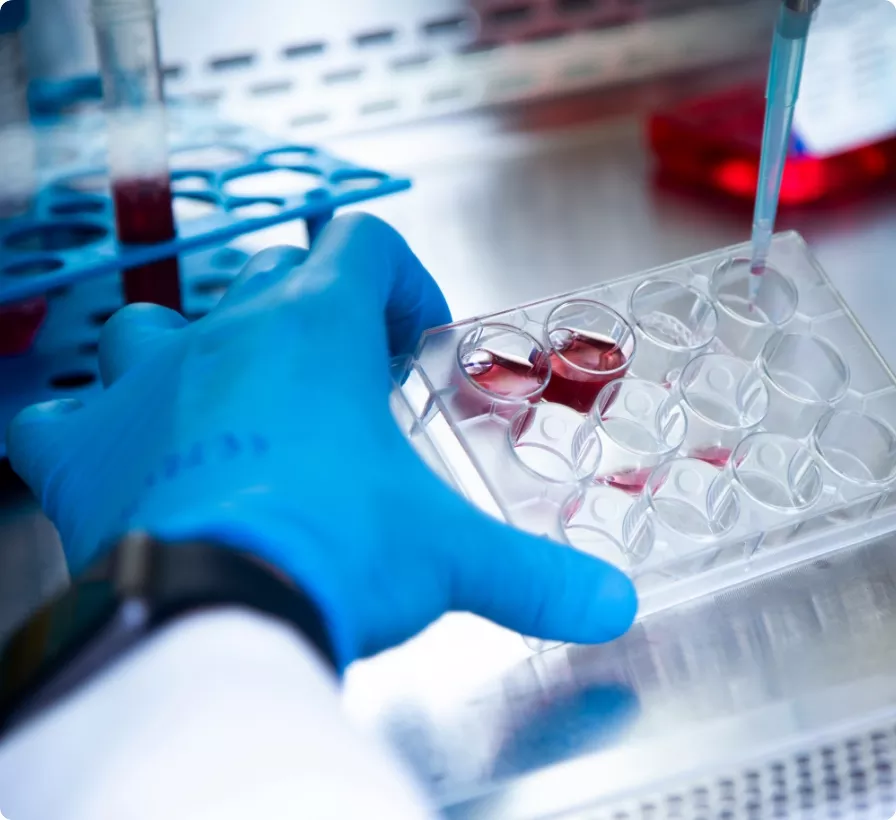
A scientist pipetting a red liquid into a multi-well plate in a laboratory setting.

Executive Summary

A comprehensive Chemistry, Manufacturing, and Controls (CMC) package is the foundation for a successful Pre-Investigational New Drug (Pre-IND) meeting with the FDA. For viral vector-based therapies, this requires a detailed assessment of plasmid DNA quality, scalable vector production processes, and phase-appropriate analytical methods. This review identifies potential gaps in the manufacturing process or characterization data that could delay timelines. A proactive CMC strategy minimizes regulatory risk and aligns the development pathway with an 18-24 month timeline to IND submission.

Frequently Asked Questions

    What are the most common CMC gaps for AAV vectors in a Pre-IND package?

    The most frequent issues involve inadequate characterization of the starting materials, particularly the plasmid DNA, and a lack of robustness in the analytical methods used for vector characterization. Assays for vector identity, purity (especially empty/full capsid ratio), and potency must be well-defined and qualified for their intended purpose.

    How early should a sponsor begin formal CMC consulting?

    Engaging in CMC consulting should occur as the lead candidate is selected and before process development for toxicology lots begins. Early alignment ensures that manufacturing processes are designed with scalability and regulatory expectations in mind from the start, preventing costly rework later.

    Does the choice of AAV serotype impact the CMC package requirements?

    Yes. While the core principles are the same, specific AAV serotypes (e.g., AAV8, AAV9) or engineered capsids have unique manufacturing and purification profiles. The CMC package must reflect a deep understanding of the chosen capsid’s behavior, including its aggregation propensity and post-translational modifications, which can impact potency and immunogenicity.

    What level of detail is required for plasmid DNA manufacturing?

    Regulators expect full traceability and characterization of the plasmid DNA used for vector production. This includes documentation on the master and working cell banks, the fermentation and purification process, and analytical data confirming plasmid identity, purity, and integrity.

Aligning Manufacturing and Regulatory Expectations

The technical dialogue with the FDA during a Pre-IND meeting hinges on the quality and completeness of the CMC data package. For AAV, lentivirus, or adenovirus platforms, the narrative must demonstrate a controlled, reproducible manufacturing process. A scientific rationale that connects process parameters to the final product’s quality attributes must support the data presentation.

Our approach is built on decades of experience navigating these regulatory interactions. We focus on identifying and mitigating risks within the manufacturing scheme before they become points of contention with regulatory agencies. This provides strategic CMC guidance for regulatory success.

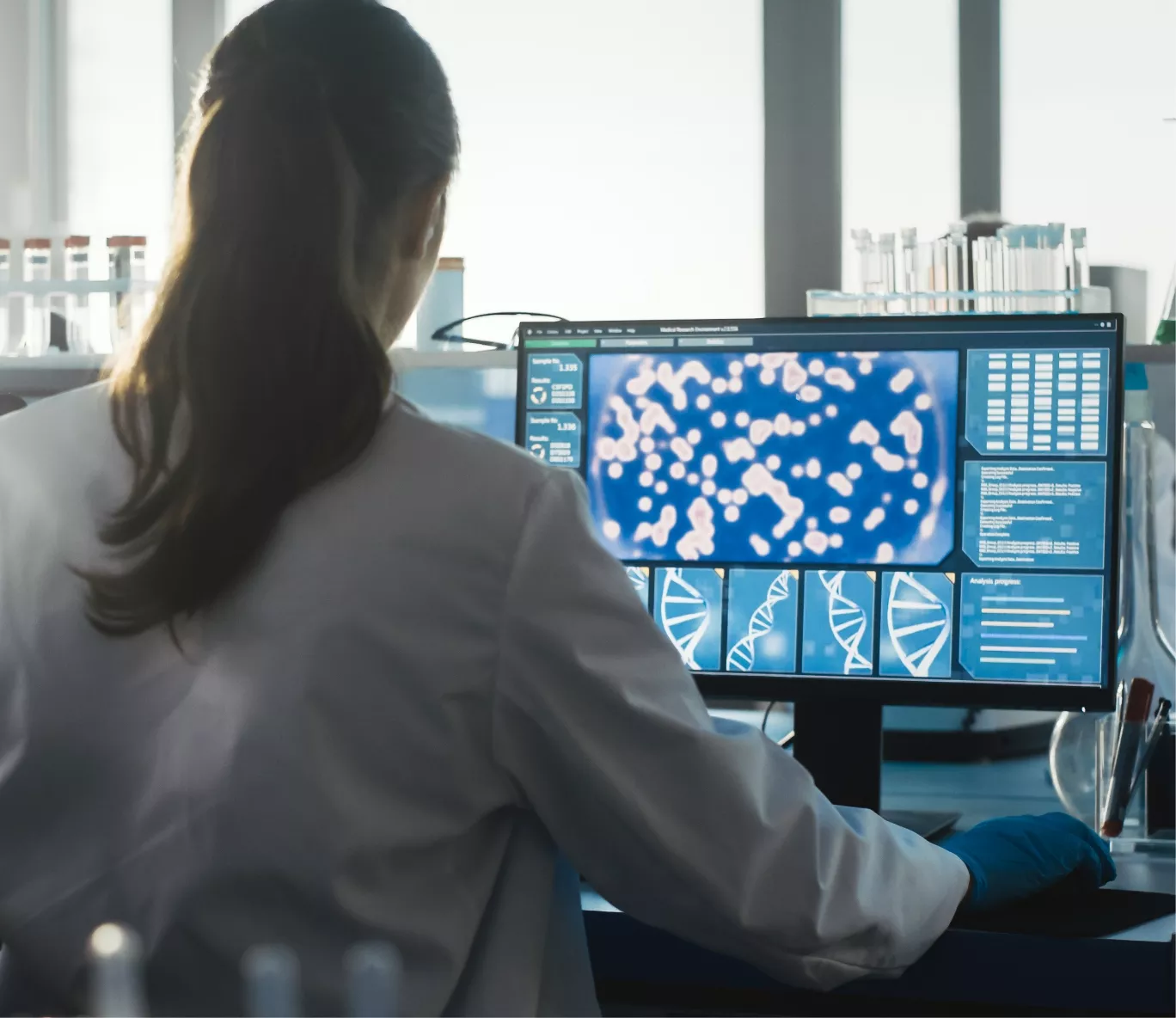
A female scientist in a lab coat analyzes complex biological data, including cellular imagery and DNA models, on a computer screen.

A senior scientist with grey hair is mentoring a diverse group of younger scientists or students in a laboratory setting.

Core Components of a Pre-IND CMC Dossier for Viral Vectors

A robust CMC package for a viral vector therapy is built upon several distinct pillars. Each must be supported by rigorous data to withstand regulatory scrutiny.

  • Starting Materials: Comprehensive documentation for all key starting materials, with a primary focus on the quality and provenance of plasmid DNA.

  • Vector Production & Purification: A detailed description of the upstream (cell culture, transfection) and downstream (lysis, clarification, chromatography) processes. Data must demonstrate process consistency and clearance of process-related impurities.

  • Analytical & Characterization Strategy: A well-defined analytical strategy is needed to assess the vector’s identity, quantity, purity, and potency. This includes methods for genome titer, capsid titer, and aggregation analysis.

  • Stability Program: An initial stability protocol and available data are required to support the proposed shelf life and storage conditions for the material intended for IND-enabling toxicology studies.

“We started collaborating with UPenn Vector core in 2023 and the AAV vector which they manufactured laid a foundation for development of a gene therapy candidate which will enter soon preclinical studies. The key people from UPenn Vector Core joined Franklin Biolabs and our collaboration transitioned without interruption from UPenn Vecor Core to Franklin Biolabs Research Vector Division. Franklin Biolabs is an essential collaborator in our AAV-vector based gene therapy candidate development, and we hope to continue the collaboration for years to come.”
— Biotech Partner

Anticipating and Addressing Immunogenicity Concerns

Pre-existing humoral immunity to AAV vectors presents a known challenge for clinical development. The CMC package must demonstrate an understanding of product-related attributes that could influence immunogenicity. Recent scientific findings, such as those demonstrating the potential for neonatal Fc receptor (FcRn) inhibition to mitigate the impact of neutralizing antibodies (PMID: 36719773), inform our strategic approach. Understanding these biological hurdles allows for a more informed risk assessment of the product’s design and its potential interaction with the patient’s immune system.

A senior scientist leads a discussion with a group of diverse junior scientists in a bright, modern laboratory setting.

From Academic Core to Commercial Readiness

The scientific leadership at Franklin Biolabs, which launched in 2024, continues the work of the renowned UPenn Vector Core, contributing to a 100% successful IND rate for programs since 2019. This legacy is now supported by a >100,000 sq ft facility designed for GxP-compliant studies and analytics. We translate academic innovation into commercially viable manufacturing processes, providing the documentation and scientific defense required for regulatory submissions.

” ]

Technical Visualization: Pre-IND CMC Package Review Workflow

Scientific Process Diagram

This content is for informational purposes. For guidance specific to your therapeutic program, please contact our team for a consultation.