Quality Control Metrics for Research-Use-Only (RUO) Viral Vector Batches

PROVEN INTELLIGENCE ACCELERATING NEXT-GENERATION THERAPIES

Quality Control Metrics for Research-Use-Only (RUO) Viral Vector Batches

Quality Control for Research-Use-Only AAV Vectors

CELL & GENE | RNA | BIOLOGICS

Fit-for-Purpose Analytical Strategies for Preclinical AAV Batches

A senior scientist leads a discussion with a group of diverse junior scientists in a bright, modern laboratory setting.

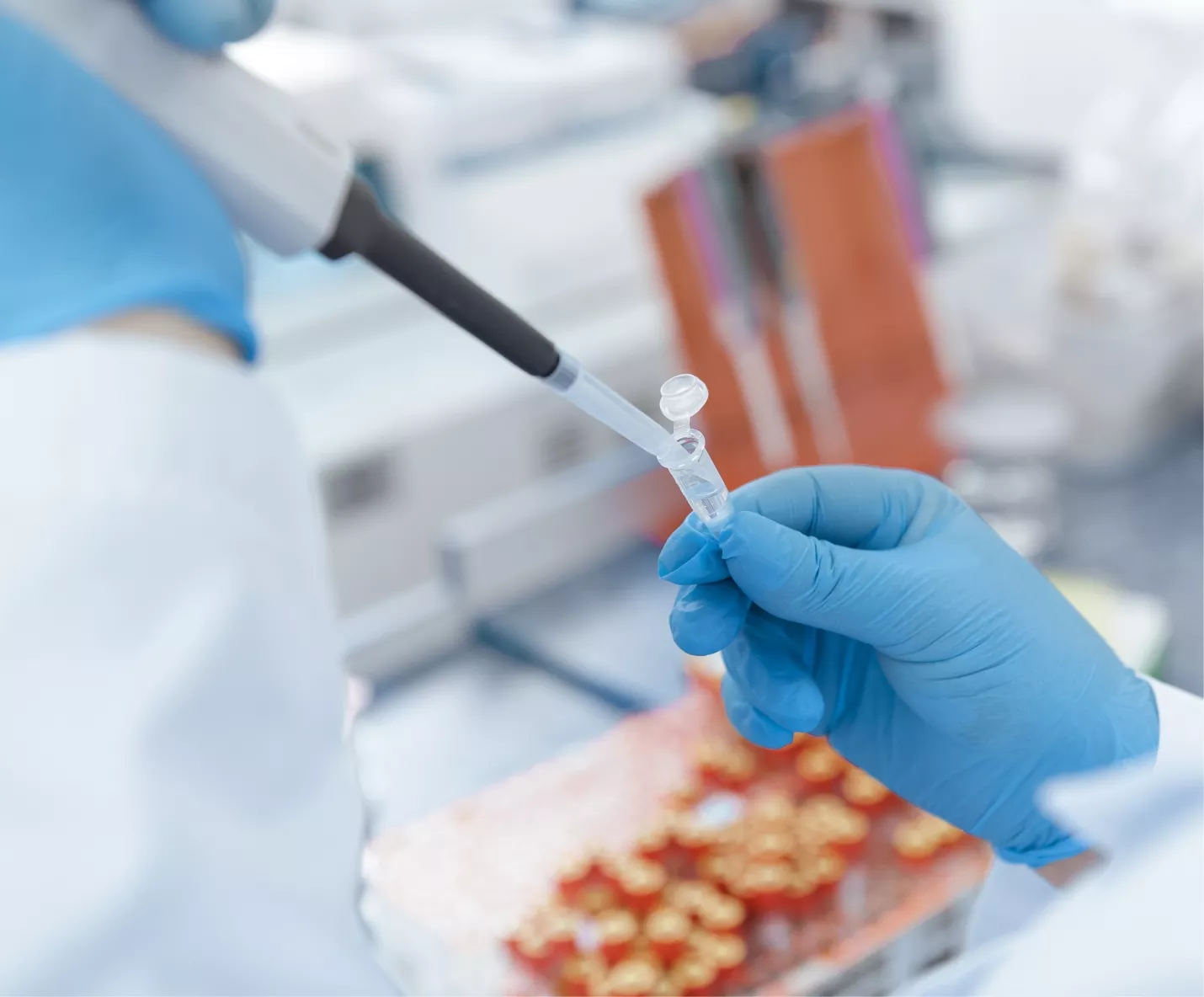
A close-up shot of a scientist in a lab coat and blue gloves using a micropipette to transfer a liquid sample into a small test tube.

Executive Summary

For preclinical programs, the quality of Research-Use-Only (RUO) viral vectors directly correlates to the reliability of subsequent in vivo data. Developing a fit-for-purpose analytical package for RUO batches is a strategic investment in data integrity. This approach focuses on quantifying vector titer, assessing purity via SDS-PAGE, and confirming capsid identity. These metrics ensure that observed biological effects are attributable to the vector itself, providing a solid foundation for IND-enabling work and minimizing the risk of program delays.

Frequently Asked Questions: RUO Vector Analytics

    What is the standard turnaround time for RUO AAV production?

    Timelines vary based on serotype and scale, but programs are typically completed within several weeks. This includes plasmid preparation, viral vector production, purification, and the core analytical QC package.

    Which analytical tests are included in a standard RUO AAV package?

    A typical RUO QC panel includes quantification of vector titer by qPCR or ddPCR, purity assessment by SDS-PAGE with silver staining, and confirmation of capsid protein identity. Additional assays are available based on program needs.

    How does RUO QC data support future GxP manufacturing?

    Consistent, well-characterized RUO batches provide a reliable baseline for process development. Early data on vector yield, purity profiles, and payload integrity informs the development of scalable manufacturing processes and the qualification of assays required for GxP-compliant environments. This foresight is valuable for planning future submissions to regulatory bodies like the MHRA for an Investigational Medicinal Product Dossier (IMPD).

Scalable Vector Production and Analytics

Our >100,000 sq ft facility is purpose-built to support viral vector programs from discovery through preclinical development. The analytics performed here provide the data integrity needed to accelerate timelines toward IND submission.

A close-up of a gloved hand handling PCR tubes with blue liquid in a laboratory rack, with a blue color overlay.

A close-up of a Pall Corporation single-use bioreactor system in a cleanroom environment, showing the control panel, vessel with cell culture media, and tubing.

Defining Fit-for-Purpose Analytics for RUO Vectors

The analytical strategy for an RUO viral vector batch must be tailored to its intended use. The objective is to generate material that yields clean, reproducible data in preclinical models, ensuring that any observed phenotype is a direct result of the therapeutic payload and not an artifact of a poorly characterized vector preparation.

Key considerations for an RUO analytical package include:

  • Quantity and Titer: Accurately quantifying the vector titer is fundamental. This ensures consistent dosing across animal cohorts and between experiments.

  • Purity: Assessing the purity of the vector preparation, primarily by identifying the capsid proteins (VP1, VP2, VP3) and evaluating the presence of contaminating host cell proteins, is necessary to minimize confounding biological responses.

  • Identity: Confirming the AAV serotype is as expected ensures that the vector’s tropism and transduction profile align with the experimental design.

Key Analytical Domains for AAV Batches

A robust RUO QC package provides confidence in the material used for discovery and efficacy studies. While not performed under GxP conditions, these analytics use the same scientific principles that underpin later regulatory submissions for Advanced Therapy Medicinal Products (ATMPs).

A 3D rendering of Y-shaped antibody molecules against a blue, abstract background.

A close-up of a scientist in a lab, wearing blue gloves and examining the results of a gel electrophoresis or Western blot.

Purity and Identity

Purity is typically assessed using sodium dodecyl sulfate-polyacrylamide gel electrophoresis (SDS-PAGE) followed by silver staining. This method visualizes the characteristic VP1/VP2/VP3 capsid protein bands and reveals the presence of major protein contaminants from the production process.

Titer and Payload Integrity

Vector titer is determined using quantitative polymerase chain reaction (qPCR) or droplet digital PCR (ddPCR). These methods provide a precise measure of the concentration of packaged, nuclease-resistant genetic payloads. Analysis of the packaged payload’s structure, even at the RUO stage, can provide early indicators of potential persistence or heterogeneity issues that may influence transduction efficiency down the line (PMID: 20113166).

A close-up of a pipette dispensing liquid into a rack of test tubes, set against a cool-toned, sterile background.

A scientist in protective gear pipetting a sample into a vial within a sterile laboratory hood.

Translational Foresight from RUO Data

High-quality RUO vector analytics provide more than just batch release data; they offer a direct line of sight into future development. Understanding how a specific serotype transduces target tissues is foundational for predicting efficacy. Data correlating cellular transduction with tissue-level outcomes helps de-risk serotype selection for specific therapeutic applications (PMID: 22849678). This early characterization work builds a robust data package that accelerates the 18-24 month path to IND.

The scientific continuity from our team, whose foundational capsid technology has supported numerous clinical-stage programs, ensures this deep institutional knowledge is applied to every RUO batch. This experience is a key reason our clients’ programs have maintained a high rate of successful IND submissions since 2019, even as the Franklin Biolabs brand officially launched in 2024.

The transition of key scientific leadership from the UPenn Vector Core to Franklin Biolabs provides clients with uninterrupted project continuity. For example, a partnership initiated in 2023 for a foundational AAV vector transitioned seamlessly to our Research Vector Division. The resulting gene therapy candidate is now advancing to preclinical studies, demonstrating the long-term stability and expertise our team brings to therapeutic development programs.

Technical Visualization: RUO AAV Vector QC Workflow

Scientific Process Diagram

This content is for informational purposes. For guidance specific to your therapeutic program, please contact our team for a consultation.