Scalable Manufacturing Process Design for High-Titer Lentiviral Vector Production

PROCESS DESIGN FOR SCALABLE LENTIVIRAL VECTOR MANUFACTURING

Scalable Manufacturing Process Design for High-Titer Lentiviral Vector Production

CELL & GENE | RNA | BIOLOGICS

Executive Summary

Achieving high-titer, high-purity lentiviral vector production that scales from preclinical research to GxP manufacturing requires a process architecture defined by early, strategic decisions. A robust process, designed with a deep understanding of vector biology and supported by phase-appropriate analytics, is the foundation for a predictable CMC timeline. This approach mitigates risks associated with batch-to-batch variability and ensures the material used in pivotal safety studies is representative of the future clinical product.

Frequently Asked Questions

Question Answer
What are the primary bottlenecks in scaling lentiviral vector production? The main challenges include maintaining high functional titers in larger volumes, ensuring consistent vector quality and purity, and managing the complexities of downstream purification. Lentiviral vectors are often more sensitive to processing conditions than other vectors, making a well-defined protocol a determinant of success.
How does early process design impact CMC readiness for an IND submission? A well-defined process establishes a scalable and reproducible manufacturing framework from the outset. It defines quality attributes and process parameters, generating representative material for toxicology studies and forming the basis of the CMC data package required by regulatory bodies.
What analytical methods are necessary to support lentiviral process development? A core analytical panel includes vector genome and physical titer assays (qPCR/ddPCR, p24 ELISA), particle characterization, identity testing, and assays to measure process-related residuals. A validated, matrix-appropriate cell-based potency assay is also a requirement for product characterization.

A common failure point in advancing a lentiviral vector program is developing the manufacturing process in isolation from the broader preclinical and clinical strategy. The process used to generate vector for early proof-of-concept studies often lacks the scalability and control required for later stages, leading to costly delays and comparability challenges. Establishing a robust, scalable process architecture at the outset directly impacts program success.

The consistency of a manufacturing process directly correlates to the predictability of the product’s in vivo safety and efficacy profile. For lentiviral vectors, this means defining a process that reliably produces vectors with consistent purity and functional characteristics batch after batch, minimizing variability that could impact downstream safety assessments.
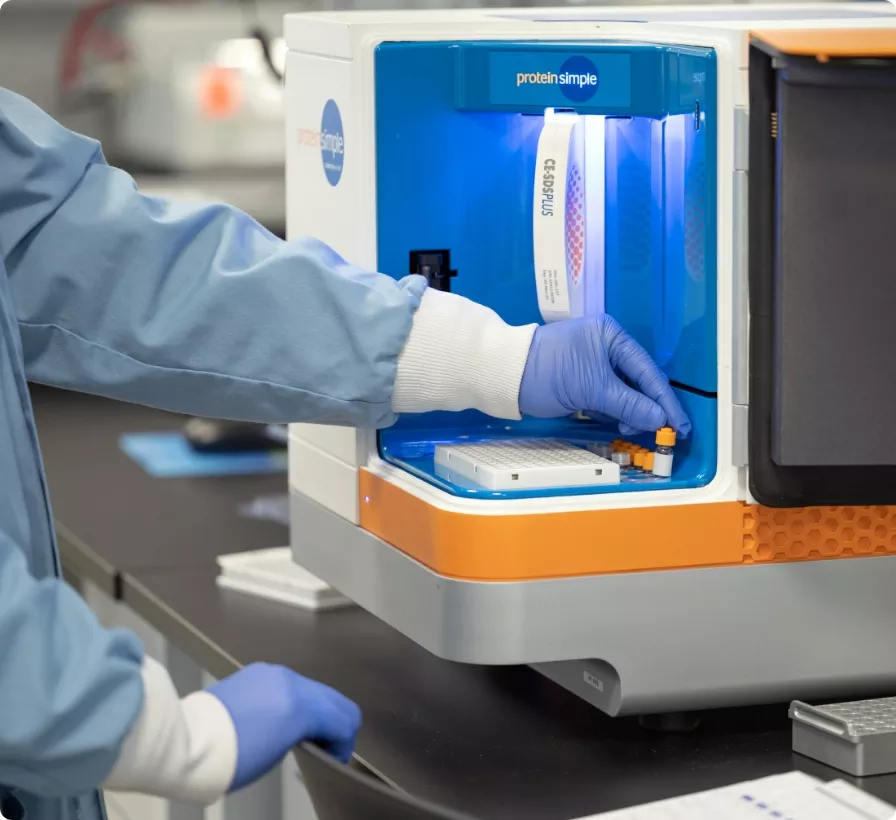
A scientist in a lab coat and gloves loads samples into a ProteinSimple instrument for analysis.

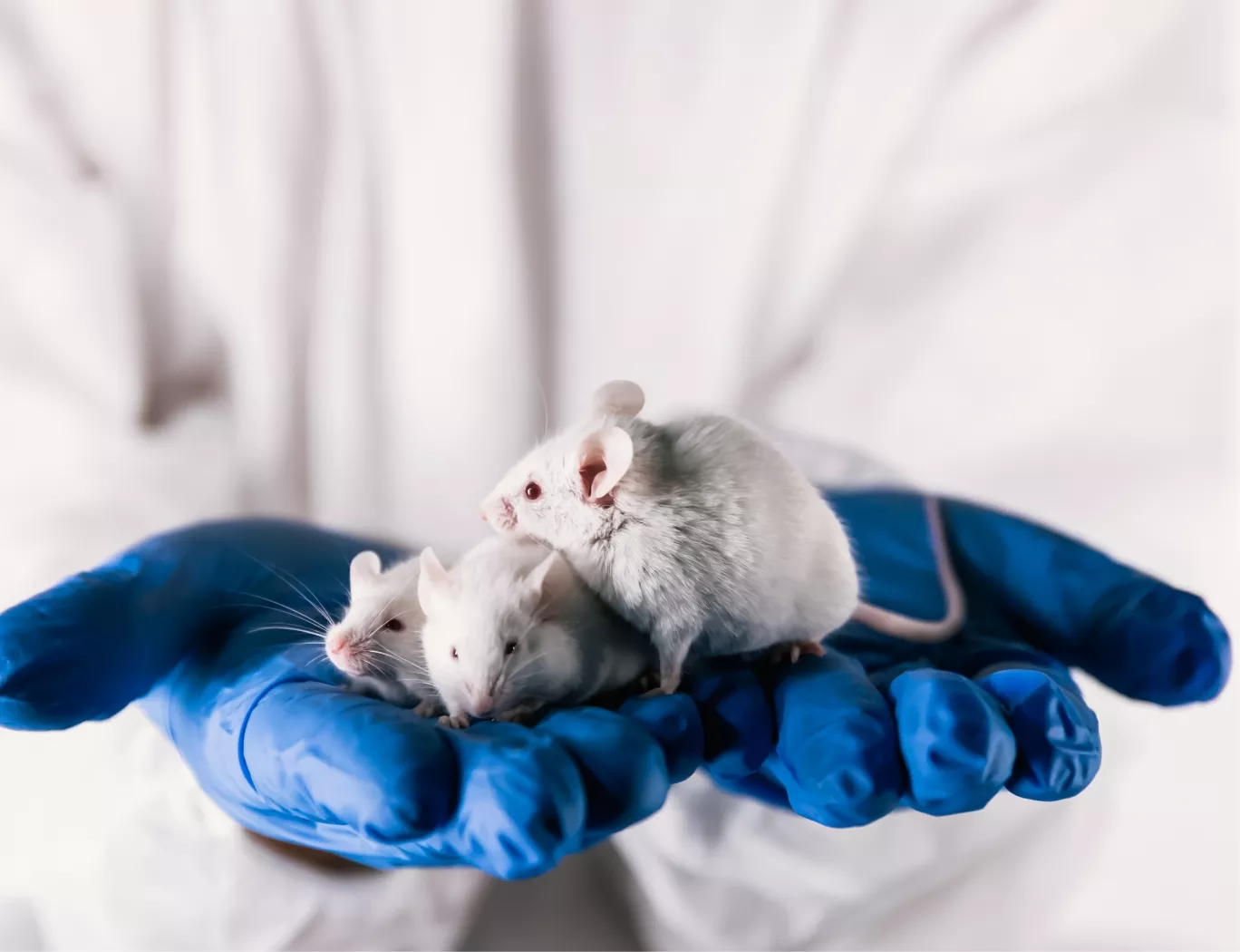
A researcher in a lab coat and blue gloves gently holds three white lab mice, symbolizing animal models in scientific research.

Foundational Design and Optimization

Optimizing a process for high-titer yield involves a multi-factorial approach that begins long before the first bioreactor run. Key parameters must be evaluated to build an efficient and scalable platform.

  • Plasmid System Selection: The stoichiometry and quality of the transfer, packaging, and envelope plasmids are primary determinants of vector yield and quality.

  • Cell Line & Culture Conditions: Selecting between adherent and suspension culture platforms is a decision point with significant implications for scalability, labor, and cost of goods.

  • Harvest & Clarification Strategy: Lentiviral vectors are enveloped particles that bud from the producer cell membrane. This biology dictates a harvest strategy focused on collecting the vector from the culture supernatant. Optimizing the timing of harvest and the methods for clarification are determinants of final yield, as these vectors can be sensitive to shear stress and degradation.

Analytics as the Arbiter of Success

Process development is an empirical exercise guided entirely by analytical data. A comprehensive analytical strategy is an integral component of the manufacturing process that directly defines its success. According to one of our biotech partners, Franklin Biolabs provides “Vast knowledge in all aspects of vector production and analytics.” This expertise ensures that the right questions are asked at the right time, using qualified assays to measure the quality attributes that matter most for product safety and function.

By integrating process design with a robust analytical framework inside our >100,000 sq ft facility, we provide clients with a clear and efficient path toward their regulatory filings. This integrated approach is how we support an accelerated 18-24 month IND timeline. While the Franklin Biolabs brand was launched in 2024, our scientific leadership team has maintained a 100% IND approval success rate for programs we have supported since 2019, a direct result of building programs on a solid CMC foundation.

A digital rendering of a DNA double helix on a dark blue background with floating particles.

Technical Visualization: Lentiviral Process Design & Consultation Workflow

Scientific Process Diagram

This content is for informational purposes. For guidance specific to your therapeutic program, please contact our team for a consultation.