Strategies for Minimizing CpG Content in Plasmid DNA to Reduce Innate Immune Responses

EXECUTIVE SUMMARY

Strategies for Minimizing CpG Content in Plasmid DNA to Reduce Innate Immune Responses

CELL & GENE | RNA | BIOLOGICS

Unmethylated CpG dinucleotides present in bacterially-derived plasmid DNA are potent triggers of innate immunity via Toll-like receptor 9 (TLR9). For viral vector production, where plasmids serve as the primary starting material for transgenes and helper functions, this immunostimulation can compromise vector safety and efficacy. Proactive plasmid design, focused on the systematic reduction of CpG motifs through in silico analysis and sequence optimization, is a primary component of a strong CMC strategy. This approach mitigates downstream inflammatory responses, improves vector persistence, and supports a more predictable safety profile for AAV, lentivirus, and adenovirus programs.

Frequently Asked Questions

    What are CpG motifs and why are they problematic in plasmid DNA?

    CpG motifs are cytosine-guanine dinucleotide sequences that are common in bacterial DNA but suppressed and often methylated in vertebrate genomes. When unmethylated, as in plasmid backbones, they are recognized by the host’s innate immune system as a pathogen-associated molecular pattern (PAMP), leading to inflammatory cytokine release.

    How does high CpG content affect viral vector safety and efficacy?

    The innate immune response triggered by CpG motifs can lead to localized inflammation, rapid clearance of vector-transduced cells, and reduced transgene expression. This can limit the therapeutic window and potentially increase the risk of adverse events, a concern highlighted in studies assessing host responses to viral vectors (PMID: 29668327).

    What are the primary methods for reducing CpG motifs?

    The process involves a multi-step approach: 1) In silico analysis of the entire plasmid sequence to map all CpG sites, 2) Strategic removal or modification of these motifs from the transgene and backbone without altering the final protein product, often through codon optimization, and 3) Synthesis of the newly designed, low-CpG plasmid.

    Does Franklin Biolabs offer services to optimize plasmid backbones?

    Yes. We provide comprehensive consultation and DNA services that include sequence analysis, CpG reduction strategies, and custom plasmid synthesis to support vector production programs from discovery through preclinical development.

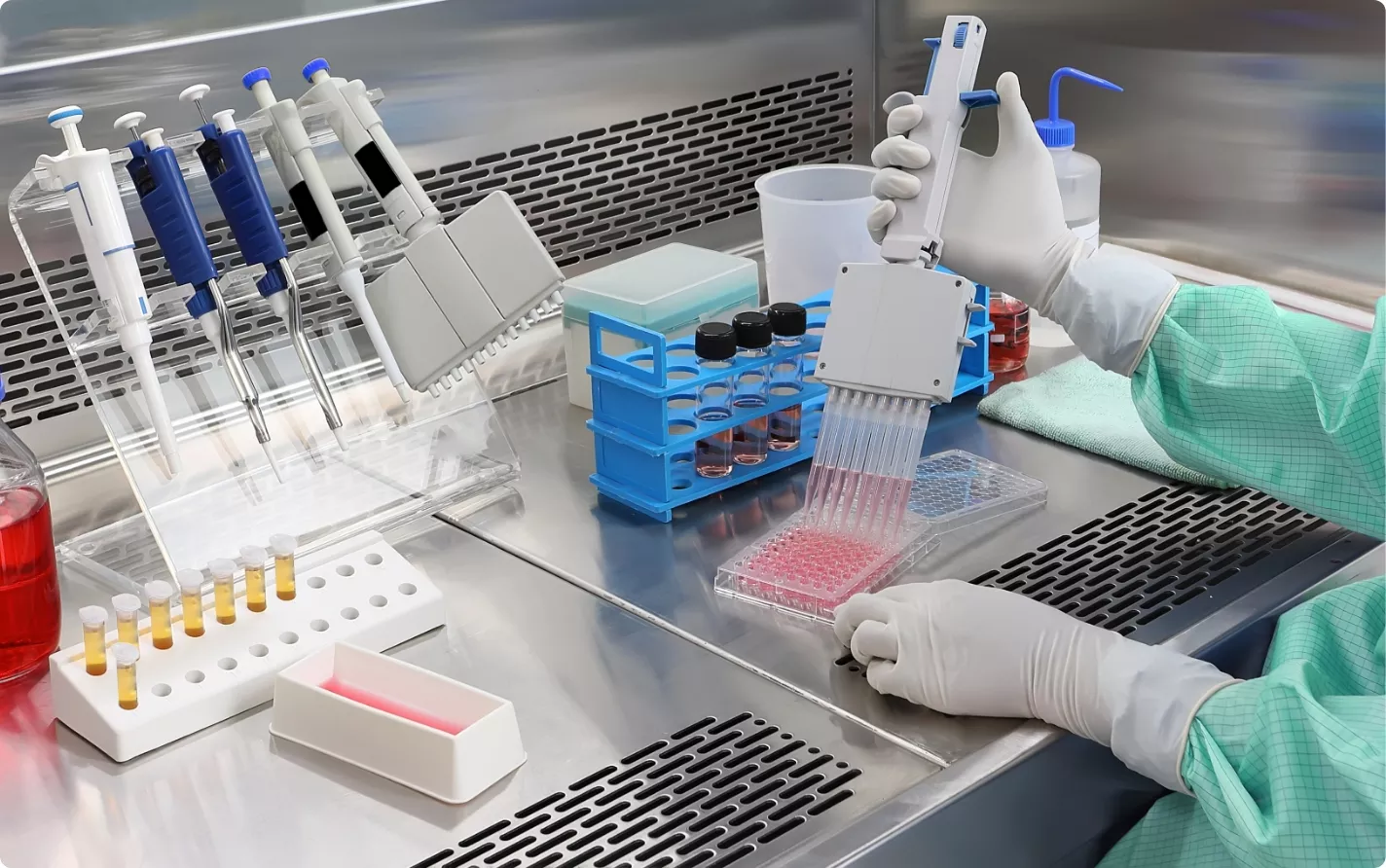
A scientist in a sterile laboratory setting uses a multichannel pipette to transfer pink liquid into a multi-well plate for a high-throughput experiment.

Proactive Plasmid Design to Control Vector Immunogenicity

The plasmid DNA used to generate viral vectors is a biologically active component that directly influences the host response to the final product. The presence of unmethylated CpG motifs within the plasmid backbone or the transgene cassette itself can activate an innate immune cascade, recruiting key effector cells like macrophages and NK cells. This initial inflammatory event can shape the subsequent adaptive immune response, potentially limiting the durability of the therapy. As observed in studies of adenoviral vectors, the innate immune system’s reaction to vector components is a primary driver of acute, localized pathology (PMID: 15714134).

Mitigating this response begins at the earliest possible stage: plasmid design. This requires treating immunogenicity as a fundamental design parameter, addressed through sequence engineering rather than as a downstream purification challenge.

Our approach to vector development incorporates this principle from the outset. We employ a rigorous process for plasmid optimization that includes:

  • Sequence-Level Analysis: Comprehensive in silico screening of all plasmid sequences to identify and map CpG hotspots.

  • Codon Optimization: Modifying the transgene sequence to remove CpG motifs while maintaining the integrity of the encoded amino acid sequence and optimizing for expression in human cells.

  • Backbone Engineering: Selecting or designing plasmid backbones that are inherently low in CpG content to minimize the overall immunostimulatory load.

This level of upfront engineering provides a stronger foundation for the entire development program. By de-risking the starting materials, we create a more predictable path toward IND. This work provides strategic design guidance accelerating development lifecycles.

Featured Video: Franklin Biolabs Facility Tour

This site tour showcases Franklin Biolabs’ preclinical and bioanalytical facilities, spanning over 100,000 sq ft of animal housing and specialized laboratory space.

Learn more about our facilities by viewing the .

This proactive approach to plasmid design is a core element of our CMC consulting services. It aligns with our broader philosophy of building robust, phase-appropriate processes that give our partners confidence as they move toward the clinic. This commitment to quality and scientific rigor has contributed to a 100% IND approval success rate for programs we have supported since 2019, with the Franklin Biolabs brand itself having launched in 2024 to carry this legacy forward.

Technical Visualization: Plasmid DNA Optimization Pathway

Scientific Process Diagram

This content is for informational purposes. For guidance specific to your therapeutic program, please contact our team for a consultation.