The Role of a Centralized Document Management System (DMS) in Global Gene Therapy Programs

PROVEN INTELLIGENCE ACCELERATING NEXT-GENERATION THERAPIES

The Role of a Centralized Document Management System (DMS) in Global Gene Therapy Programs

The Role of a Centralized Document Management System in Global Gene Therapy Programs

CELL & GENE | RNA | BIOLOGICS
Proven Intelligence Accelerating Next-Generation Therapies.

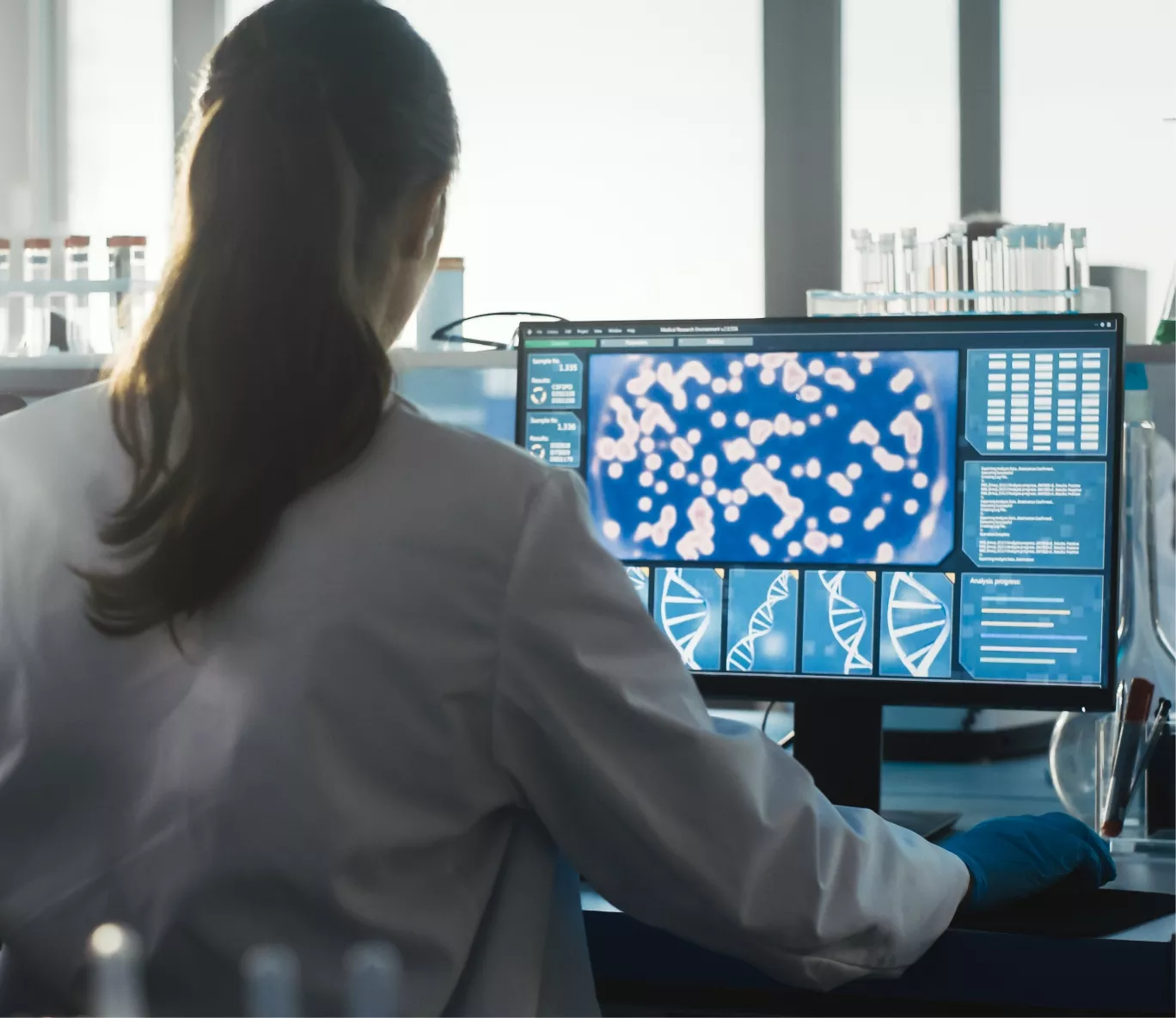
A female scientist in a lab coat analyzes complex biological data, including cellular imagery and DNA models, on a computer screen.

A senior scientist with grey hair is mentoring a diverse group of younger scientists or students in a laboratory setting.

Executive Summary

A centralized Document Management System (DMS) is the operational backbone for successful viral vector programs, ensuring data integrity and regulatory readiness from plasmid development through IND submission. By unifying disparate data streams from process development, analytics, and GxP manufacturing, a robust DMS mitigates compliance risk and directly supports accelerated program timelines. This system provides version control, auditable trails, and secure data archiving necessary for coherent regulatory filings with agencies like the FDA and MHRA.

Frequently Asked Questions

    What is a DMS in the context of viral vector CMC?

    A DMS is a controlled software system used to manage all documentation and records related to the Chemistry, Manufacturing, and Controls (CMC) of AAV, lentivirus, or adenovirus vectors. This includes batch records, standard operating procedures (SOPs), analytical assay results, and validation reports.

    Why is a DMS necessary for GxP compliance?

    Regulatory bodies require complete traceability and data integrity. A GxP-compliant DMS provides immutable audit trails, electronic signatures, and strict version control, demonstrating that all manufacturing and testing activities were performed according to approved procedures.

    How does a DMS support global regulatory submissions?

    A centralized DMS ensures that all data presented in an Investigational New Drug (IND) application or an Investigational Medicinal Product Dossier (IMPD) is consistent, accurate, and sourced from a single point of truth. This simplifies the assembly of submission packages for different global authorities.

    Can a DMS manage both plasmid and viral vector documentation?

    Yes. A comprehensive DMS architecture tracks the entire lifecycle, from the receipt and qualification of raw materials like plasmids to the final analytics and release of the purified viral vector.

The Data Integrity Challenge in Vector Manufacturing

The development of viral vector-based therapies generates vast and disconnected datasets. Documentation for plasmid DNA production, adherent or suspension cell culture, purification, and analytical characterization often resides in separate functional silos. This fragmentation introduces significant risk of data transcription errors, version control failures, and inconsistencies that can delay or jeopardize regulatory submissions.

Without a unified system, compiling a cohesive narrative for an IND filing becomes a manual, error-prone process. Reconciling analytical data with corresponding batch records and process development reports requires significant effort and introduces potential compliance gaps.

A senior scientist leads a discussion with a group of diverse junior scientists in a bright, modern laboratory setting.

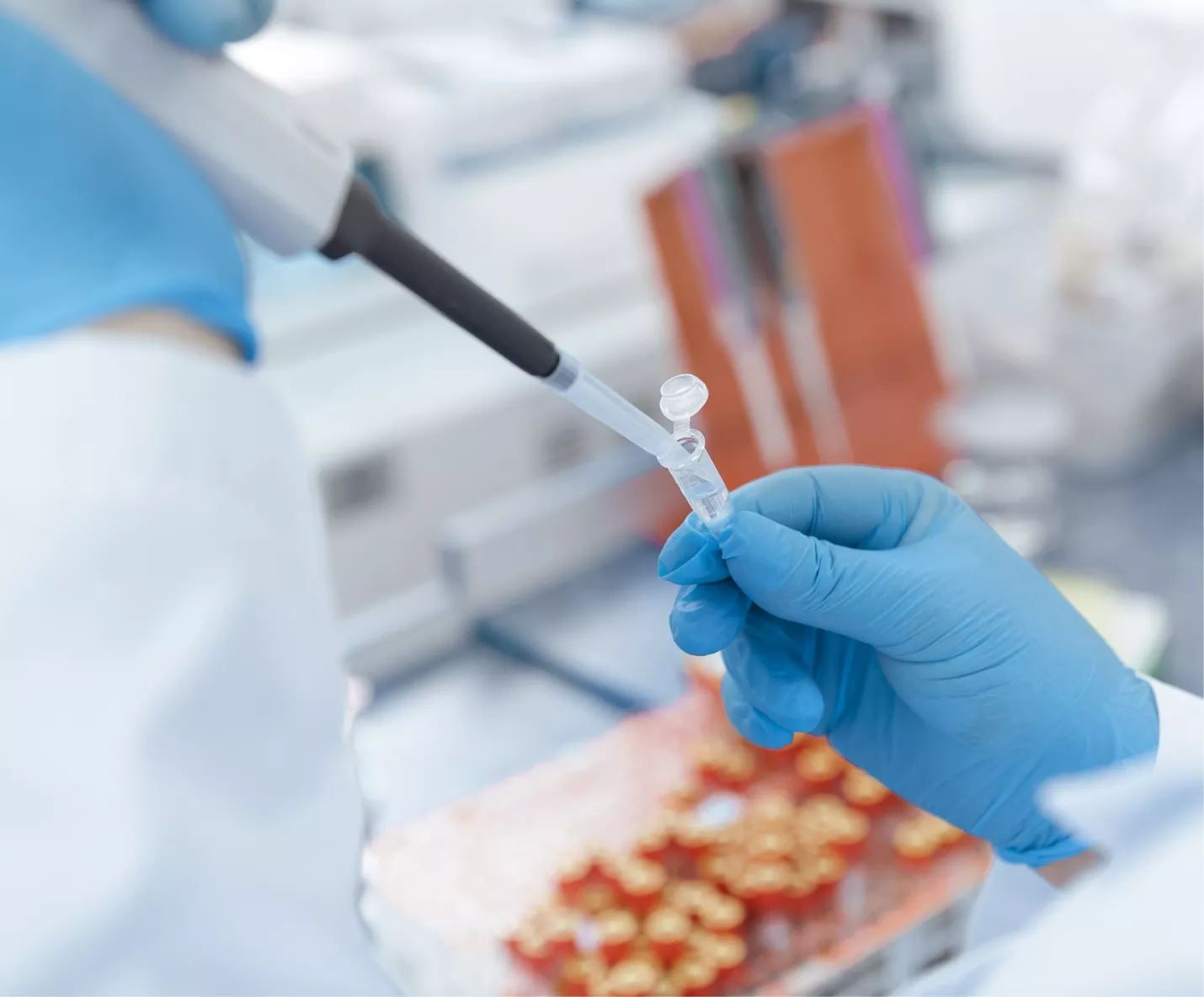
A close-up shot of a scientist in a lab coat and blue gloves using a micropipette to transfer a liquid sample into a small test tube.

Centralizing Control for Regulatory Cohesion

A purpose-built DMS for viral vectors eliminates these data silos. It creates a single source of truth where all GxP documentation is managed, reviewed, and approved within a controlled environment. This approach ensures that every data point is traceable to its origin, providing a clear and defensible record for auditors.

The value of this cohesion is evident when managing complex preclinical data packages. For instance, evaluating different administration routes for an AAV vector generates distinct biodistribution and efficacy datasets (PMID: 26447927). A centralized DMS is required to manage these parallel data streams coherently, ensuring the final rationale for the selected clinical approach is built on a foundation of verifiable and consistent information.

Core Functions of a GxP-Compliant DMS

A DMS designed for viral vector programs provides specific functionalities to ensure data integrity and compliance.

  • Strict Version Control: Ensures that personnel are always working from the latest approved version of an SOP or batch record.

  • Immutable Audit Trails: Records every action taken within the system, including document creation, edits, approvals, and user access, providing full traceability.

  • 21 CFR Part 11 Compliant E-Signatures: Allows for secure, legally binding electronic approvals that are linked to specific user credentials.

  • Controlled Access & Permissions: Restricts document access and modification rights based on user roles and responsibilities, protecting data integrity.

  • Secure Data Archiving: Provides a long-term, validated repository for all program documentation, ensuring data is retrievable for the lifetime of the therapeutic program.

A close-up of a gloved hand handling PCR tubes with blue liquid in a laboratory rack, with a blue color overlay.

A close-up of a Pall Corporation single-use bioreactor system in a cleanroom environment, showing the control panel, vessel with cell culture media, and tubing.

From Data Management to Accelerated Timelines

Implementing a robust DMS is a direct investment in program velocity. By standardizing documentation and streamlining review and approval workflows, the system reduces the administrative burden on scientific teams. This operational efficiency, conducted within our >100,000 sq ft facility, is a key component of achieving an 18-24 month timeline to IND. While the Franklin Biolabs brand launched in 2024, our scientific and operational lineage has contributed to a 100% successful IND rate for programs since 2019. A centralized DMS is the digital architecture that underpins this record of regulatory success.

Technical Visualization: Centralized DMS for Viral Vector Programs

Scientific Process Diagram

This content is for informational purposes. For guidance specific to your therapeutic program, please contact our team for a consultation.