Vector Integrity and Editing Analysis for CRISPR Systems

PROVEN INTELLIGENCE ACCELERATING NEXT-GENERATION THERAPIES

Vector Integrity and Editing Analysis for CRISPR Systems

CELL & GENE | RNA | BIOLOGICS

Proven Intelligence in IND-Enabling Vector Analytics.

A blue-toned image of white lab rats in their cages within a laboratory or vivarium setting, likely for scientific research or testing.

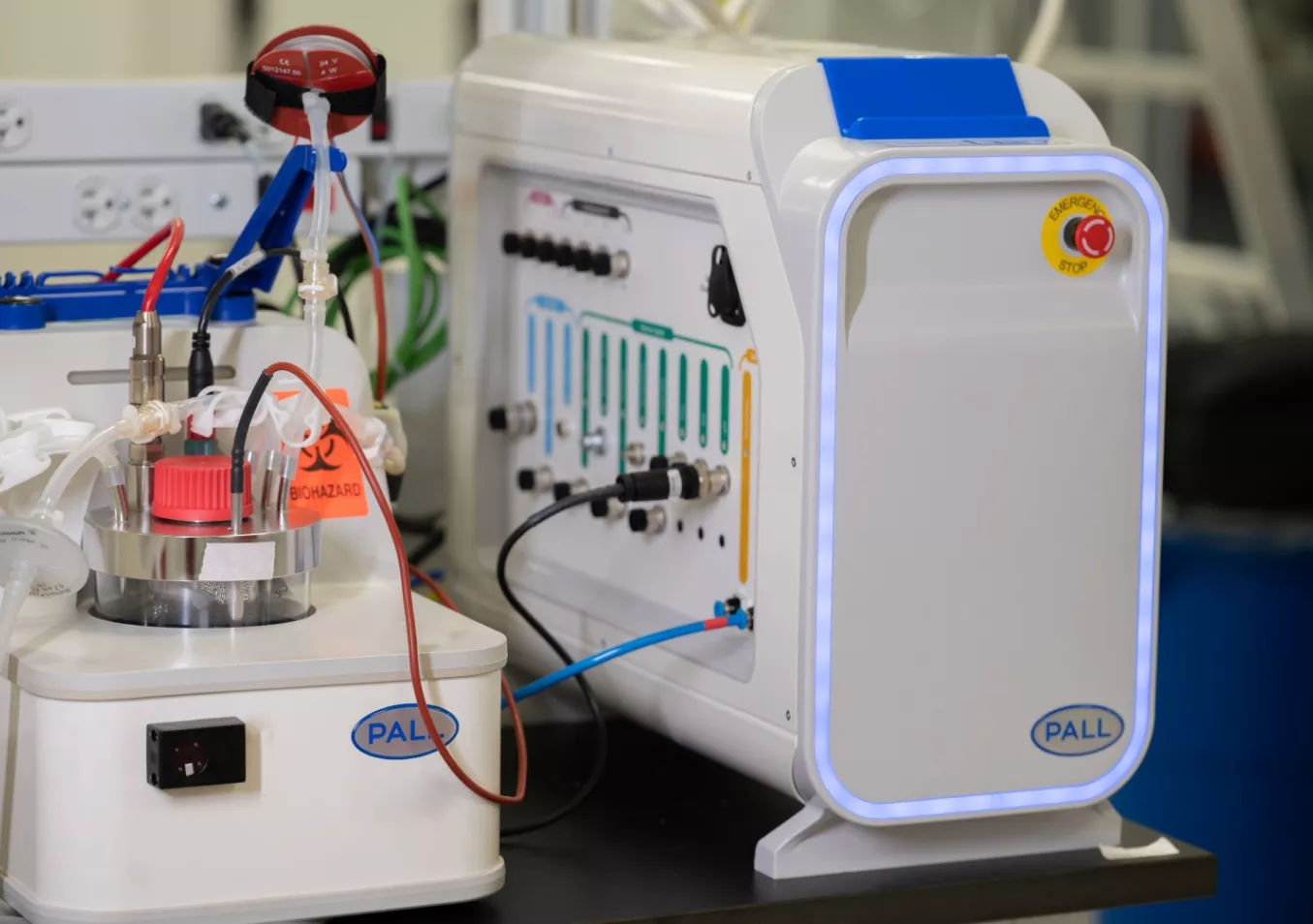
A close-up shot of a modern bioreactor system and control unit from Pall Corporation in a clean laboratory environment.

Executive Summary

For therapeutic developers using CRISPR-based systems, confirming the integrity of the vector’s genetic payload and the precision of the resulting edit is a primary determinant of program velocity. Standard analytical methods are insufficient for the complexities of nuclease platforms. This page details the advanced analytical assays, including droplet digital PCR (ddPCR) and specialized next-generation sequencing (NGS), required to build a robust data package for FDA submissions, supporting an 18-24 month path to IND.

Frequently Asked Questions

Why are standard qPCR titer methods insufficient for confirming the integrity of a vector’s genetic payload in CRISPR programs?

While useful for relative quantification, qPCR can lack the precision needed for the absolute copy number determination required in a rigorous IND data package. Advanced methods like droplet digital PCR (ddPCR) provide absolute quantification of the vector’s genetic material, removing ambiguity and improving the accuracy of dose calculations for preclinical toxicology studies.

How can we definitively assess CRISPR off-target nuclease activity in vivo before filing an IND?

Assessing off-target effects requires specialized genomic tools. Methods like ITR-Seq, a next-generation sequencing assay, are designed to identify genome-wide DNA editing sites following vector administration in relevant animal models. This analysis provides direct evidence of editing specificity, a key component of the safety profile reviewed by regulatory agencies.

What is the timeline for developing and qualifying the necessary vector analytics for an IND submission?

A phase-appropriate strategy is key. The development and qualification of these complex assays are integrated into the overall program timeline. By aligning CMC analytics with preclinical development, the required data can be generated to support an 18-24 month IND timeline, a benchmark our scientific leadership has consistently achieved.

For next-generation therapies utilizing CRISPR-Cas9, base editors, or prime editors, the analytical strategy must extend far beyond simple vector titer and purity assessments. The integrity of the guide RNA (gRNA) cassette and the fidelity of the nuclease expression construct within the vector are directly linked to clinical safety and efficacy.

An incomplete or truncated genetic payload can lead to failed editing or unintended biological consequences. Establishing the precise quantity of full, functional vector material is a foundational step. The adoption of droplet digital PCR (ddPCR) provides a more robust method for absolute quantification of the vector’s genetic payload compared to traditional qPCR approaches, delivering higher precision for dose-setting in IND-enabling toxicology studies (PMID: 24328707).

Characterizing Genome Editing Outcomes for Regulatory Submission

The central challenge for any gene editing therapeutic is to demonstrate precise on-target activity without significant off-target events. A comprehensive analytical package must provide clear, quantifiable data on nuclease activity.

This requires a multi-faceted approach:

  • Vector Integrity Confirmation: Verifying that the delivered vector contains the complete and correct sequence for the gRNA and nuclease.

  • On-Target Editing Efficiency: Quantifying the percentage of intended edits in the target cell population.

  • Off-Target Nomination & Analysis: Systematically identifying and quantifying edits at unintended genomic locations.

Specialized next-generation sequencing assays are purpose-built to map genome-wide DNA editing sites in vivo. This level of analysis, performed on samples from nonhuman primate (NHP) models, provides the definitive evidence of editing specificity required by the FDA (PMID: 32183699).

The successful application of these advanced analytical methods is predicated on deep institutional knowledge spanning all aspects of vector production and analytics.

This deep institutional knowledge, which contributed to a 100% successful IND rate since 2019 for our core scientific team, is now centralized at Franklin Biolabs following our formal launch in 2024. Our comprehensive analytical capabilities are housed within our >100,000 sq ft facility, providing an integrated environment for vector analytics and preclinical programs. These services are a core component of our broader Vector | CMC | Analytics Services.


Scientific Process Diagram

This content is for informational purposes. For guidance specific to your therapeutic program, please contact our team for a consultation.