High-Throughput Screening for AAVrh74 NAb in Large Patient Cohorts for Duchenne Muscular Dystrophy Trials

PROVEN INTELLIGENCE ACCELERATING NEXT-GENERATION THERAPIES

High-Throughput Screening for AAVrh74 NAb in Large Patient Cohorts for Duchenne Muscular Dystrophy Trials

High-Throughput AAVrh74 Neutralizing Antibody Screening for DMD Clinical Trials

CELL & GENE | RNA | BIOLOGICS
Frequently Asked Questions (FAQ)

Technical Question Franklin Biolabs Standard
What is the typical sample volume required for the AAVrh74 NAb assay? Standard protocols require sufficient serum or plasma volume to perform initial screening and confirmatory re-testing from a single aliquot, compliant with GxP guidelines.
What is the turnaround time for screening a large patient cohort (>500 samples)? Turnaround is optimized to support aggressive clinical trial timelines. Project-specific timelines are established based on cohort size and complexity.
How does the assay differentiate between binding and neutralizing antibodies? Our platform uses a validated, cell-based reporter gene assay. This functional method directly measures the inhibition of viral transduction, specifically quantifying neutralizing activity rather than total antibody binding.
What is the validated lower limit of detection (LLOD) for the assay? The assay is validated with a screening cut point and confirmatory titer determination, consistently achieving a lower limit of detection that meets or exceeds current regulatory expectations for AAV gene therapy trials.

Pre-existing neutralizing antibodies (NAb) against AAVrh74 represent a significant exclusion criterion for Duchenne muscular dystrophy (DMD) clinical trials. To de-risk patient enrollment and ensure therapeutic efficacy, we have developed and validated a high-throughput, GxP-compliant NAb screening platform. This cell-based functional assay provides definitive go/no-go data for large patient cohorts, directly supporting accelerated clinical timelines.

A close-up of a pipette dispensing liquid into a rack of test tubes, set against a cool-toned, sterile background.

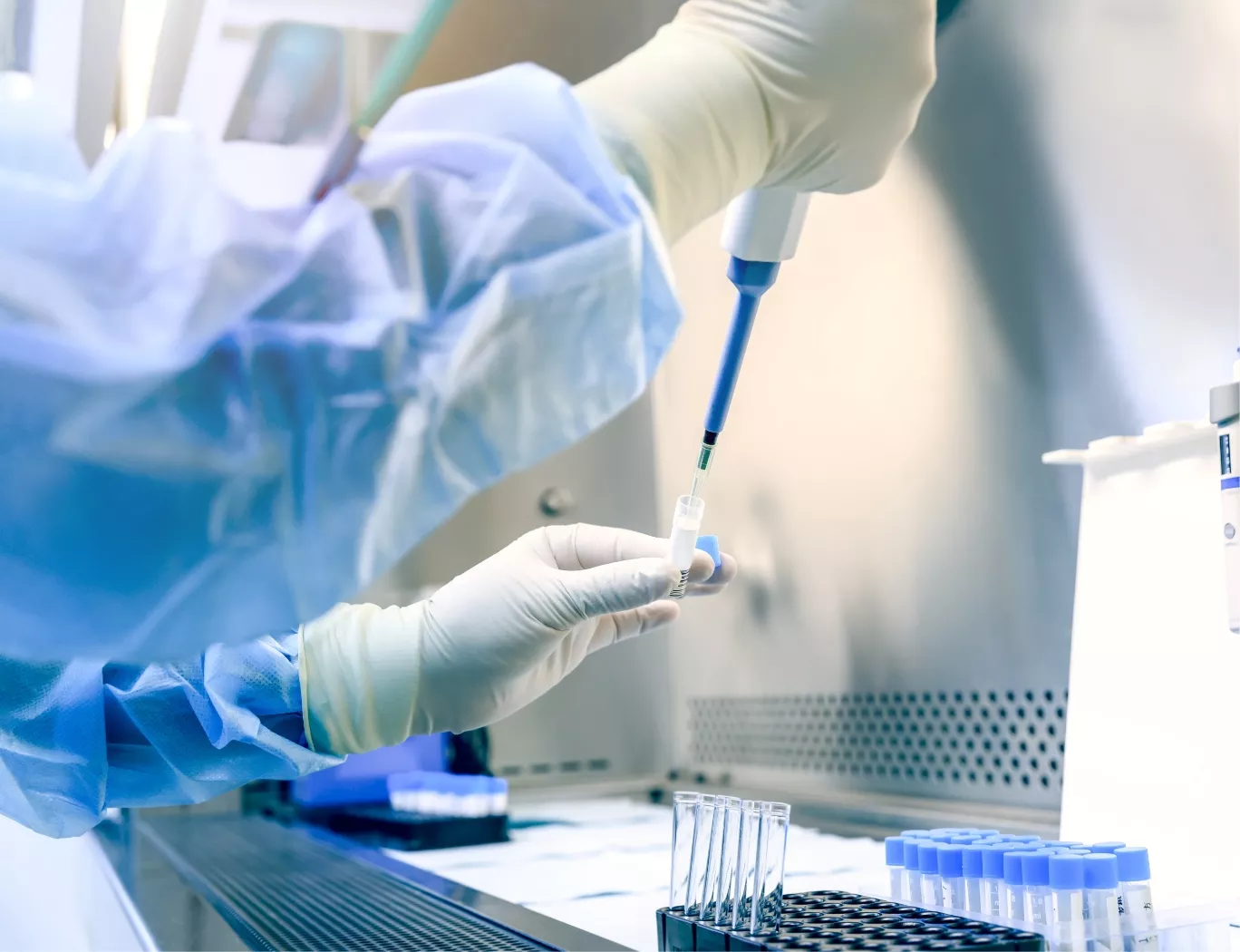
A scientist in protective gear pipetting a sample into a vial within a sterile laboratory hood.

The Enrollment Challenge: Pre-existing Neutralizing Antibodies to AAVrh74

For systemic AAV gene therapies targeting DMD, the presence of pre-existing NAb can abrogate vector efficacy and lead to patient exclusion. The AAVrh74 serotype, while promising, is subject to this challenge due to natural environmental exposure to related AAVs.

Identifying seronegative participants requires a screening platform that is not only sensitive and specific but also scalable enough to manage hundreds or thousands of patient samples without creating a bottleneck in trial recruitment. The logistical and regulatory demands necessitate a robust, validated bioanalytical solution.

A Validated, Scalable Platform for NAb Assessment

Our NAb assessment platform is built on a cell-based assay that quantifies the functional neutralization of AAVrh74 transduction. This approach provides a direct measure of inhibitory activity, which is the most clinically relevant metric for predicting in vivo response.

The operational expertise behind our vector analytics is a direct continuation of the foundational work performed by our scientific leadership. This continuity ensures a deep, specialized knowledge base for our partners.

“We started collaborating with UPenn Vector core in 2023 and the AAV vector which they manufactured laid a foundation for development of a gene therapy candidate which will enter soon preclinical studies. The key people from UPenn Vector Core joined Franklin Biolabs and our partnership transitioned without interruption from UPenn Vecor Core to Franklin Biolabs Research Vector Division. Franklin Biolabs is our trusted partner in our AAV-vector based gene therapy candidate development and we hope to continue the partnership for years to come.”
— Biotech Partner

Our bioanalytical laboratories are part of a >100,000 sq ft facility designed for complex biologic development programs.

)

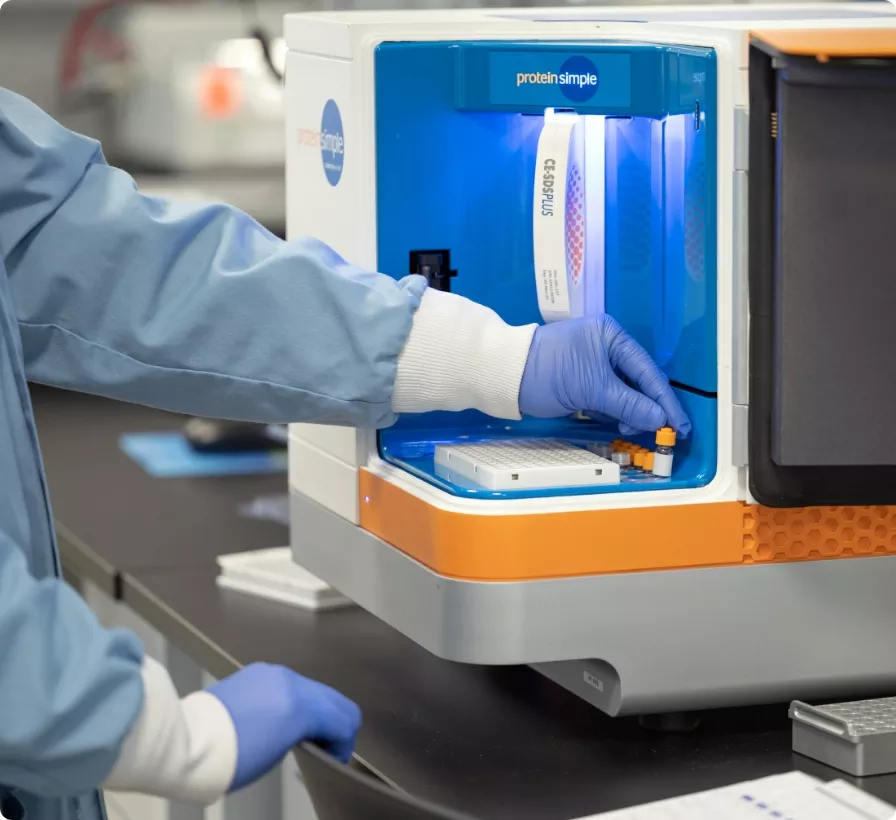
A scientist in a lab coat and gloves loads samples into a ProteinSimple instrument for analysis.

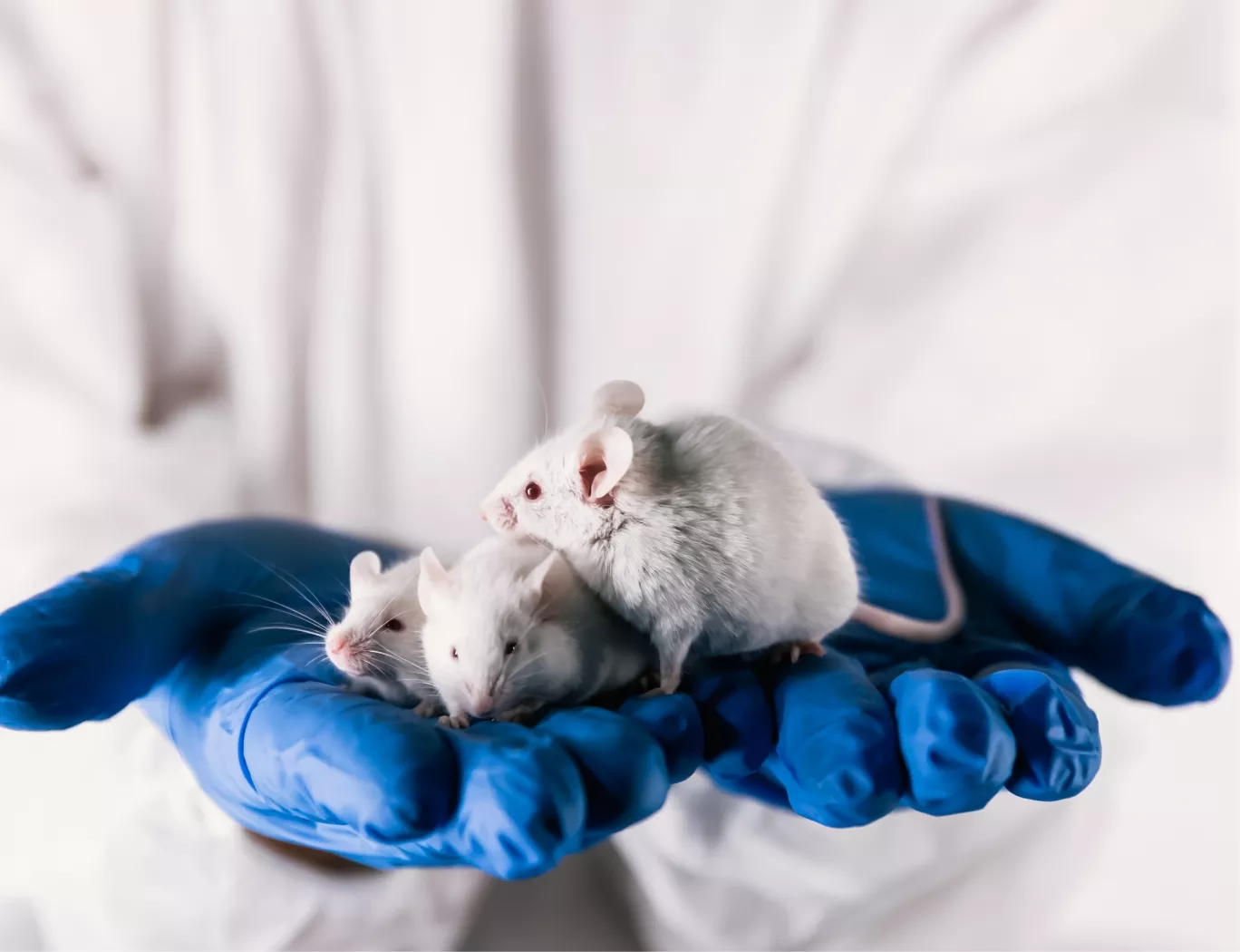
A researcher in a lab coat and blue gloves gently holds three white lab mice, symbolizing animal models in scientific research.

Scientific Rationale and Assay Design

The accuracy of bioanalytical data is foundational to clinical success. The scientific principle of using high-fidelity tools to ensure precise biological characterization, as demonstrated in the context of isolating novel AAV genomes [PMID: 34448594], directly informs our assay validation philosophy. We apply this same rigor to ensure our NAb assays generate unambiguous data.

This level of precision is necessary to translate promising preclinical outcomes, such as the long-term dystrophin expression observed in large animal models of DMD [PMID: 22146342], into predictable human results.

Assay Parameter Specification
Methodology Validated Cell-Based Functional Reporter Assay
Serotype AAVrh74 (platform adaptable to other serotypes)
Sample Type Human Serum, Plasma
Compliance GxP Validated
Data Output Titer Value, Seropositive/Seronegative Status

From Screening to IND Submission

Integrating large-scale NAb screening data into a regulatory submission package is a key step in the development timeline. Our platform generates GxP-compliant reports formatted for direct inclusion in an IND filing. This efficiency supports an accelerated 18-24 month IND timeline.

While the Franklin Biolabs brand itself launched in 2024, our core scientific team has maintained a 100% IND success rate for client programs since 2019, reflecting a consistent standard of regulatory and scientific excellence.

Scientific Process Diagram

This content is for informational purposes. For guidance specific to your therapeutic program, please contact our team for a consultation.