ICH M10 Guideline Implementation for Bioanalytical Method Validation of Immunogenicity Assays in Cambridge, MA

PROVEN INTELLIGENCE ACCELERATING NEXT-GENERATION THERAPIES

ICH M10 Guideline Implementation for Bioanalytical Method Validation of Immunogenicity Assays in Cambridge, MA

ICH M10 Guideline Implementation for Bioanalytical Method Validation of Immunogenicity Assays

CELL & GENE | RNA | BIOLOGICS

The global harmonization of bioanalytical method validation under the ICH M10 guideline requires a rigorous, statistically-driven approach to immunogenicity assessment. For sponsors developing complex biologics such as AAV-based gene therapies or RNA therapeutics, this necessitates a validation strategy that is both compliant and scientifically robust, particularly for the tiered analysis of anti-drug antibodies (ADAs). Franklin Biolabs provides GxP-compliant immunogenicity testing services focused on developing and validating sensitive, specific, and drug-tolerant assays that generate defensible data for regulatory submissions.

    What is the primary impact of ICH M10 on immunogenicity assay validation?

    ICH M10 standardizes the requirements for validating immunogenicity assays across global regulatory bodies. Its primary impact is the formalization of a risk-based, tiered approach (screening, confirmatory, neutralizing) and the emphasis on robust, statistically defined cut points to differentiate between pre-existing and treatment-induced immunogenicity.

    How does Franklin Biolabs establish scientifically justified cut points?

    We establish cut points by analyzing a statistically significant number of samples from a drug-naive population representative of the intended clinical population. Our process incorporates outlier analysis and evaluates the data distribution to select the appropriate statistical method (e.g., parametric, non-parametric) to calculate screening, confirmatory, and titration cut points that minimize false positive and false negative rates.

    What is your approach to validating neutralizing antibody (NAb) assays?

    Our NAb assay validation strategy is modality-specific. We develop either competitive ligand-binding or cell-based assays that reflect the therapeutic’s mechanism of action. Validation follows ICH M10 principles, focusing on establishing a drug-tolerant, specific, and precise assay capable of detecting antibodies that functionally neutralize the biologic’s activity.

    Can you develop and validate assays for complex matrices like cerebrospinal fluid (CSF)?

    Yes. Our scientific team has direct experience developing and validating highly sensitive assays in challenging matrices. The principles demonstrated in validating fluorometric assays in CSF for gene therapy programs inform our approach to overcoming matrix interference and ensuring assay performance for biologics targeting the central nervous system.

Navigating ICH M10 Requirements for Immunogenicity

The finalization of the ICH M10 guideline creates a single, harmonized standard for bioanalytical method validation. For immunogenicity assessment, this standardizes the expectation for a tiered analytical approach. The process begins with a sensitive screening assay to identify potentially positive samples, followed by a specific confirmatory assay, and finally, characterization of neutralizing capacity and titer for confirmed positive samples.

This framework demands a deep understanding of the therapeutic modality and its potential immunogenic profile. A successful validation package must include:

  • Statistically robust cut point determination.

  • Assessment of key parameters: precision, sensitivity, specificity, and drug tolerance.

  • A well-defined strategy for managing pre-existing reactivity.

A blue-toned image of white lab rats in their cages within a laboratory or vivarium setting, likely for scientific research or testing.

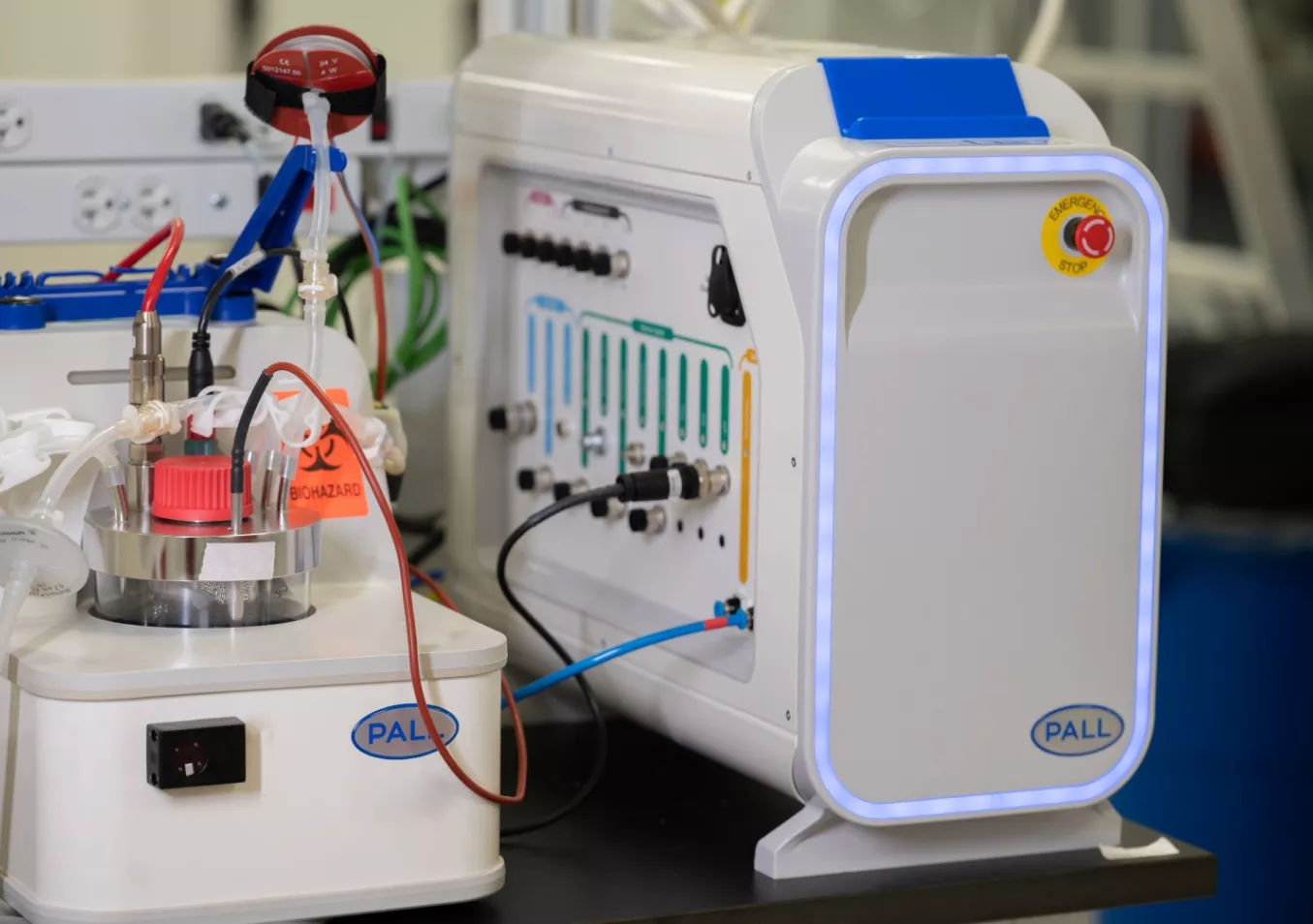
A close-up shot of a modern bioreactor system and control unit from Pall Corporation in a clean laboratory environment.

ICH M10 Tiered Validation Framework for Biologics

Our approach aligns directly with ICH M10, ensuring each tier of the analysis is rigorously validated to support clinical development. This tiered approach provides the Immunogenicity Intelligence for Advanced Therapies needed for a successful regulatory submission.

Assay Tier Validation Focus Key Deliverable
Screening High sensitivity, low false-negative rate A validated method with a statistical cut point to identify all potential ADA-positive samples.
Confirmatory High specificity to the drug product A validated method with a cut point to confirm specificity and eliminate false positives from the screening assay.
Neutralizing (NAb) Functional assessment of neutralizing capacity A validated cell-based or non-cell-based assay to quantify the activity of neutralizing antibodies.

Validating Assays for Novel Modalities and Matrices

Gene and RNA therapies present unique immunogenicity challenges, from pre-existing antibodies against AAV capsids to responses against the expressed protein transgene. Validating assays for these programs requires specialized expertise. The scientific principles involved in developing novel, high-sensitivity biomarker assays in difficult matrices, as demonstrated in the validation of a CSF assay for a gene replacement therapy program (PMID: 39282076), are directly applicable. This work underscores the capability to manage matrix effects and achieve the analytical sensitivity required for modern therapeutic programs.

Our >100,000 sq ft GxP facility is equipped to handle these complex bioanalytical challenges. By integrating this specialized assay development into a broader preclinical strategy, we support sponsors in achieving an 18-24 month IND timeline. This integrated approach has contributed to a 100% IND success rate for programs initiated since 2019 (with the Franklin Biolabs brand itself having launched in 2024).

Scientific Process Diagram

This content is for informational purposes. For guidance specific to your therapeutic program, please contact our team for a consultation.