Webinar Alert! Assessing the Use of Non-Human Primates in Translational Research Today Register Today!

Long-Term Vector Persistence and Biodistribution Analysis for AAV-based Gene Therapies
PROVEN INTELLIGENCE ACCELERATING NEXT-GENERATION THERAPIES
Long-Term Vector Persistence and Biodistribution Analysis for AAV-based Gene Therapies
Long-Term AAV Persistence and Biodistribution Analysis
CELL & GENE | RNA | BIOLOGICS
What is the primary objective of a long-term AAV biodistribution study?
A: The primary objective is to quantify the distribution, persistence, and clearance of vector DNA in target and non-target tissues over the intended duration of a preclinical study. This data directly informs the assessment of safety and potential durability of effect.
Which analytical methods are standard for quantifying AAV vector DNA in tissues?
A: Quantitative PCR (qPCR) and droplet digital PCR (ddPCR) are the principal methods. ddPCR offers absolute quantification without a standard curve, providing high precision for low copy number detection, which is often required in long-term persistence assessments.
How do you differentiate between episomal and integrated AAV vector DNA?
A: Standard qPCR or ddPCR assays quantify total vector DNA and do not distinguish between forms. Specialized techniques, such as inverse PCR or targeted locus amplification followed by sequencing, are required to specifically detect and characterize integration events.
What are the typical tissue panels required by regulatory agencies?
A: A comprehensive panel is expected, including the target organ(s), gonads (testes and ovaries), blood, spleen, liver, kidney, heart, lung, brain, and injection site. The specific list is determined by the AAV serotype, route of administration, and target indication.
What is the distinction between biodistribution and vector shedding?
A: Biodistribution measures the presence of vector genetic material within the tissues of the organism. Shedding measures the excretion of vector particles from the organism through fluids like urine, feces, and saliva, which informs environmental and contact risk assessments.
Demonstrating the long-term persistence and biodistribution of Adeno-Associated Virus (AAV) vectors is a core component of any Investigational New Drug (IND) application. Regulatory bodies require robust, quantitative data to evaluate the safety profile and predict the durability of a gene therapy candidate. This involves precise quantification of vector DNA in a comprehensive panel of target and non-target tissues over extended time points. Understanding the molecular state of the vector, whether episomal or integrated, provides deeper insights into the mechanisms driving long-term transgene expression and potential safety considerations.
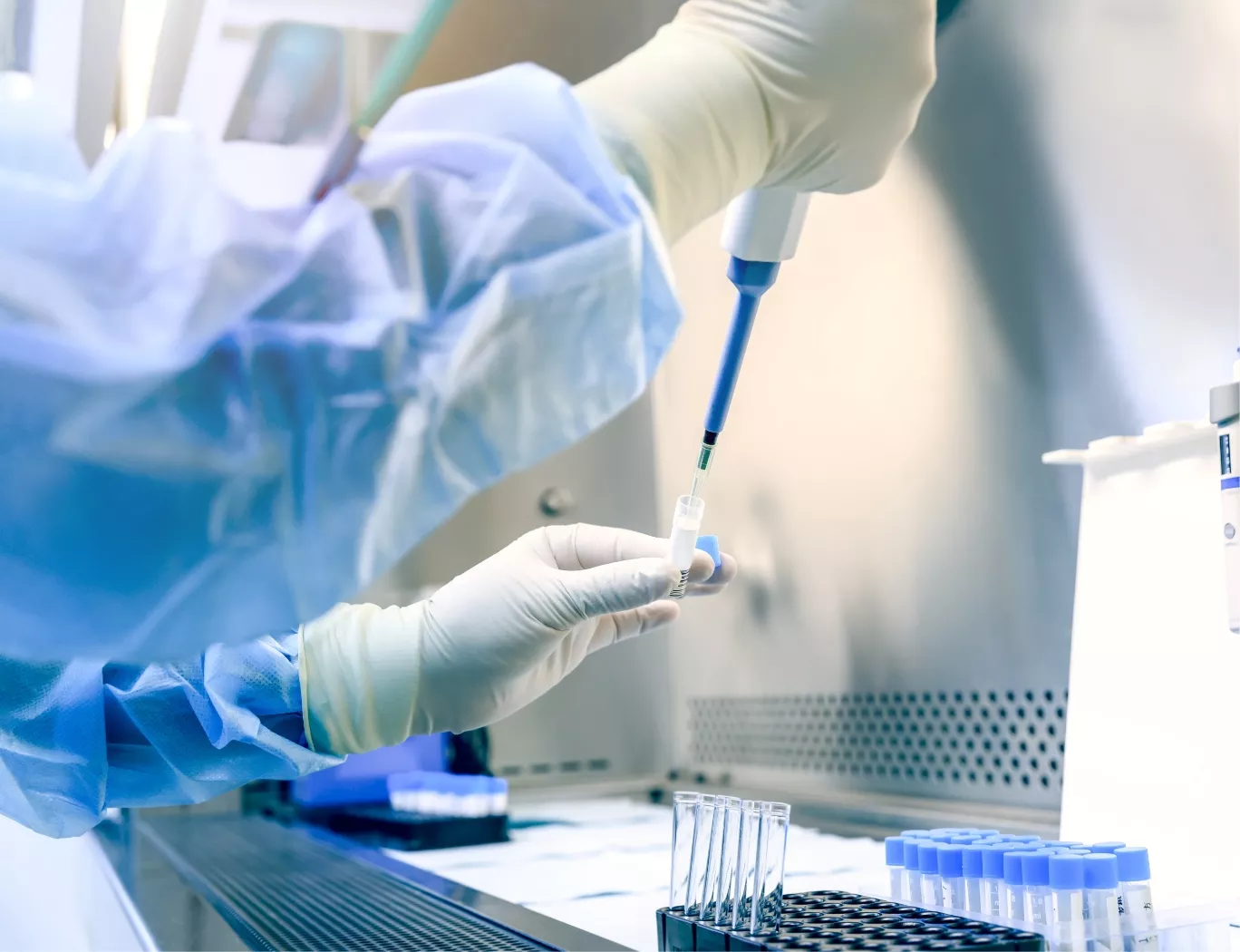
Mechanisms of Long-Term AAV Expression
The persistence of AAV vector material is directly linked to the durability of therapeutic effect. While AAV is traditionally understood to persist primarily as a non-integrating episome, evidence suggests that vector integration can contribute to stable, long-term expression. Research has shown that an initial high level of transgene expression from episomal forms can transition to a lower but highly stable baseline level driven by integrated vector DNA (PMID: 37932420).
This dynamic has significant implications for designing and interpreting biodistribution studies. A comprehensive analysis must account for the possibility of different molecular forms contributing to the overall therapeutic profile. Accurately quantifying vector copy numbers over time provides the data needed to model expression dynamics and build a robust safety case.
Quantitative Bioanalytical Strategies
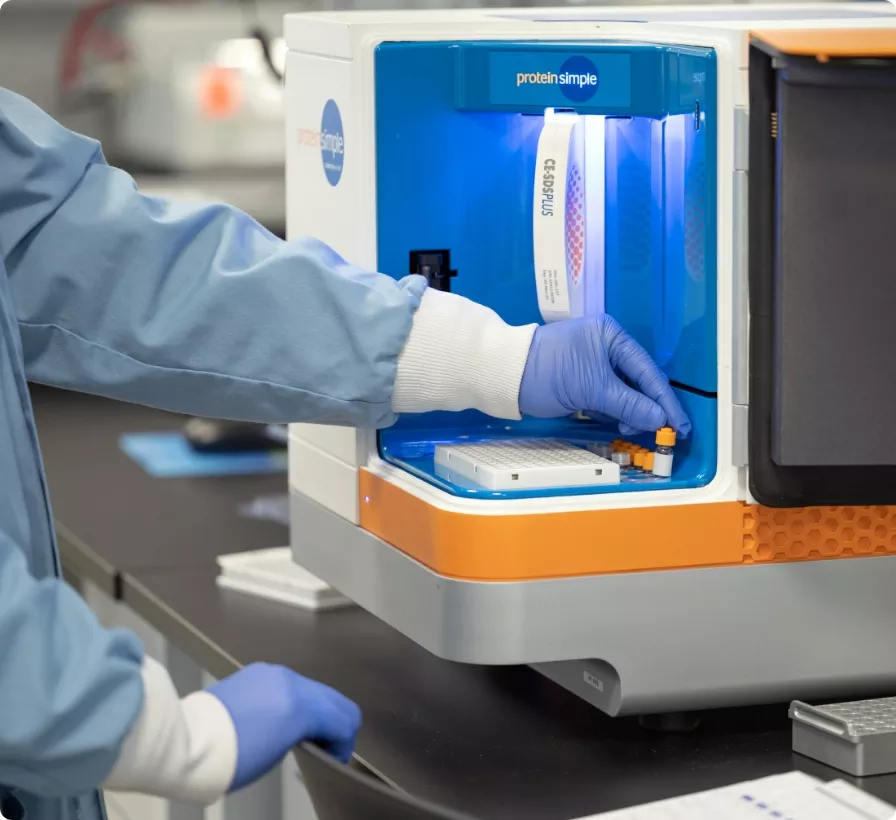
Executing these long-term studies requires GxP-compliant bioanalytical capabilities and significant infrastructure. At Franklin Biolabs, our >100,000 sq ft facility is fully equipped for conducting these complex in vivo programs. Our approach to biodistribution analysis is built on validated qPCR and ddPCR platforms, enabling sensitive and specific quantification of vector DNA across all required tissues.
Our analytical services include:
-
Method Development & Validation: Custom assay design and validation tailored to your specific AAV vector and study requirements.
-
Tissue Processing: Standardized protocols for tissue harvesting, homogenization, and nucleic acid extraction to ensure sample integrity and reproducibility.
-
Vector DNA Quantification: High-throughput analysis using qPCR or ddPCR to determine vector copy number per cell.
-
Histology: Complementary tissue analysis to assess cellular responses and confirm transgene expression at the protein level.
)
“We started collaborating with UPenn Vector core in 2023 and the AAV vector which they manufactured laid a foundation for development of a gene therapy candidate which will enter soon preclinical studies. The key people from UPenn Vector Core joined Franklin Biolabs and our partnership transitioned without interruption from UPenn Vecor Core to Franklin Biolabs Research Vector Division. Franklin Biolabs is our trusted partner in our AAV-vector based gene therapy candidate development and we hope to continue the partnership for years to come.”
— Biotech Partner
Regulatory Expectations and IND Timelines
The data generated from biodistribution and vector persistence studies are a cornerstone of the preclinical data package. This information directly supports the safety assessment, including an evaluation of non-target tissue biodistribution and potential germline transmission risk. Demonstrating controlled and durable expression over extended periods, as shown in studies achieving stable expression for over six years (PMID: 15507527), provides strong support for a candidate’s clinical potential.
This rigorous data collection is integrated into the typical 18-24 month IND timeline. Franklin Biolabs provides the high-fidelity intelligence tracking therapeutic delivery needed to meet these milestones. The experience of our core scientific team, reflected in a 100% IND success rate for all programs conducted since 2019, ensures the data package is robust, reliable, and submission-ready. The Franklin Biolabs brand launched in 2024, continuing this work.
| Feature | Quantitative PCR (qPCR) | Droplet Digital PCR (ddPCR) |
|---|---|---|
| Quantification | Relative (requires standard curve) | Absolute (no standard curve needed) |
| Precision | High; dependent on standard curve quality | Very high; less susceptible to PCR inhibition |
| Sensitivity | High | Superior for low copy number detection |
| Primary Application | High-throughput screening, routine VCN | Low-abundance targets, persistence studies, reference material validation |
| GxP Compliance | Fully supported | Fully supported |
Animal Welfare and Study Conduct
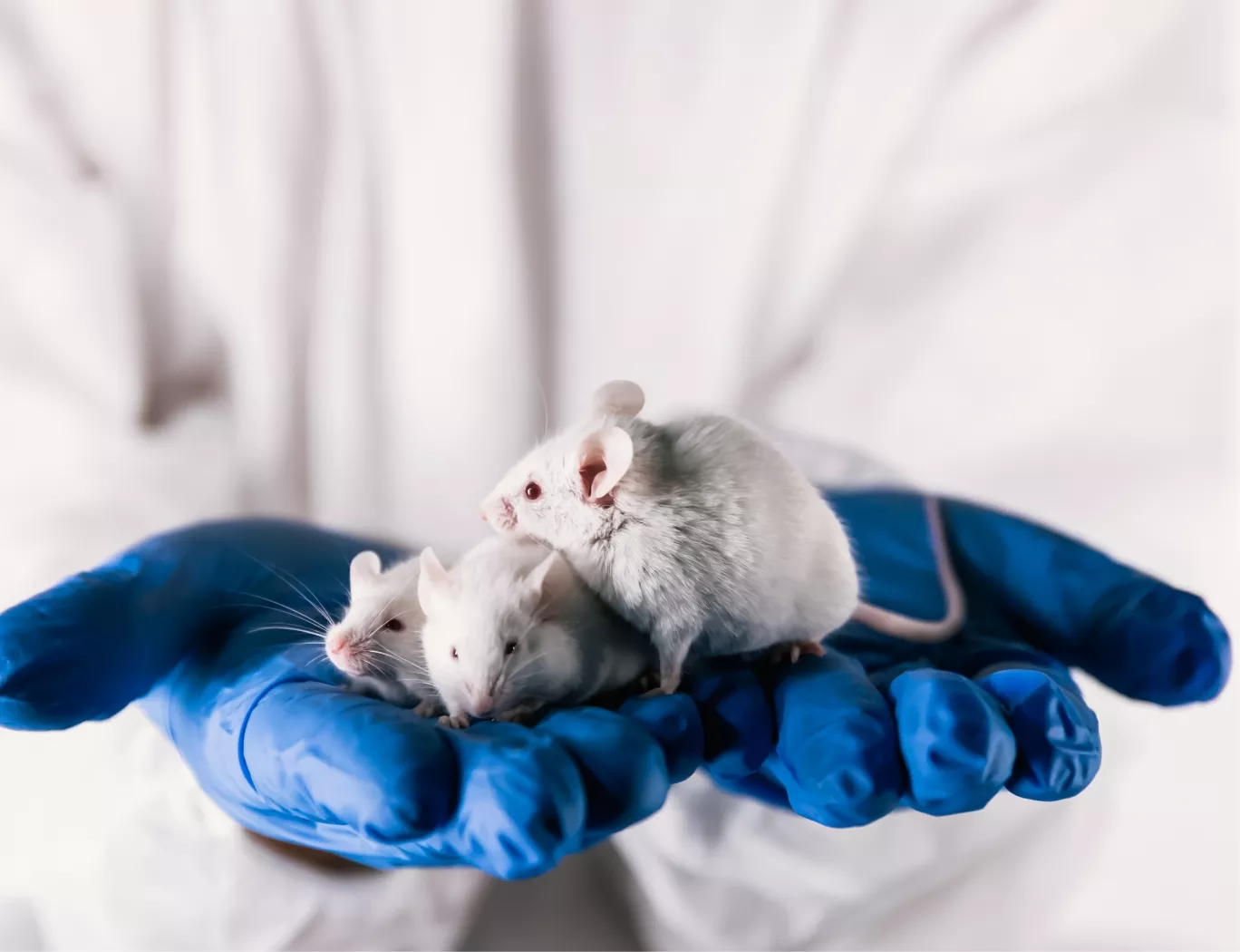
Our programs operate under the oversight of our Institutional Animal Care and Use Committee (IACUC) and in compliance with USDA regulations. We work closely with AAALAC-accredited partners and rigorously apply the 3Rs principles (Replacement, Reduction, and Refinement) to all study designs, ensuring ethical and scientifically sound research.

This content is for informational purposes. For guidance specific to your therapeutic program, please contact our team for a consultation.