Webinar Alert! Assessing the Use of Non-Human Primates in Translational Research Today Register Today!

Regulatory Strategies for Viral Shedding Studies in Pediatric Gene Therapy Trials in the European Union
PROVEN INTELLIGENCE ACCELERATING NEXT-GENERATION THERAPIES
Regulatory Strategies for Viral Shedding Studies in Pediatric Gene Therapy Trials in the European Union
CELL & GENE | RNA | BIOLOGICS
Designing a viral shedding study for a pediatric gene therapy trial under the jurisdiction of the European regulatory authority (EMA) requires a distinct regulatory strategy compared to adult protocols. The Paediatric Committee (PDCO) mandates a rigorous assessment of potential transmission to close contacts, with study design elements directly influenced by the vector construct, the patient’s age-dependent physiology, and the proposed route of administration. A successful Paediatric Investigation Plan (PIP) depends on GxP-compliant bioanalytical methods capable of detecting and quantifying vector shedding across multiple, often low-volume, biological matrices with high sensitivity and specificity.
| Question | Technical Answer |
|---|---|
| What are the primary differences in viral shedding study design for pediatric vs. adult populations in the EU? | Pediatric studies require more frequent, longer-term sampling schedules and often involve non-invasive sample matrices (e.g., saliva, tears, stool) to minimize patient burden. The risk assessment for household transmission is intensified, considering close contact with caregivers and siblings. The PDCO places significant emphasis on the potential for germline transmission, which may necessitate specific long-term follow-up protocols not always required for adults. |
| Which sample matrices are most relevant for pediatric shedding analysis? | The selection is vector and route-dependent. For systemically administered AAV vectors, blood (plasma), urine, and saliva are standard. Stool is a primary matrix for assessing excretion. For therapies targeting the central nervous system, cerebrospinal fluid (CSF) analysis may be required if clinically feasible. The EMA expects a scientific justification for the matrices chosen, based on preclinical non-target tissue biodistribution data. |
| How does the EMA’s Paediatric Committee (PDCO) influence study requirements? | The PDCO’s opinion on the Paediatric Investigation Plan (PIP) is binding. The committee will scrutinize the viral shedding risk assessment, the justification for the sampling schedule, the age appropriateness of the collection methods, and the analytical sensitivity of the proposed bioanalytical assays. A poorly defined shedding protocol is a common reason for a negative opinion or a request for major modifications to a PIP. |
| What is the required sensitivity for qPCR assays in these studies? | While no absolute value is mandated, the expectation is that the lower limit of quantification (LLOQ) is sufficiently sensitive to inform a conservative risk assessment. Assays must be fully validated under GxP guidelines to demonstrate specificity, precision, and accuracy, particularly in complex matrices like stool or saliva where inhibitors can be present. |
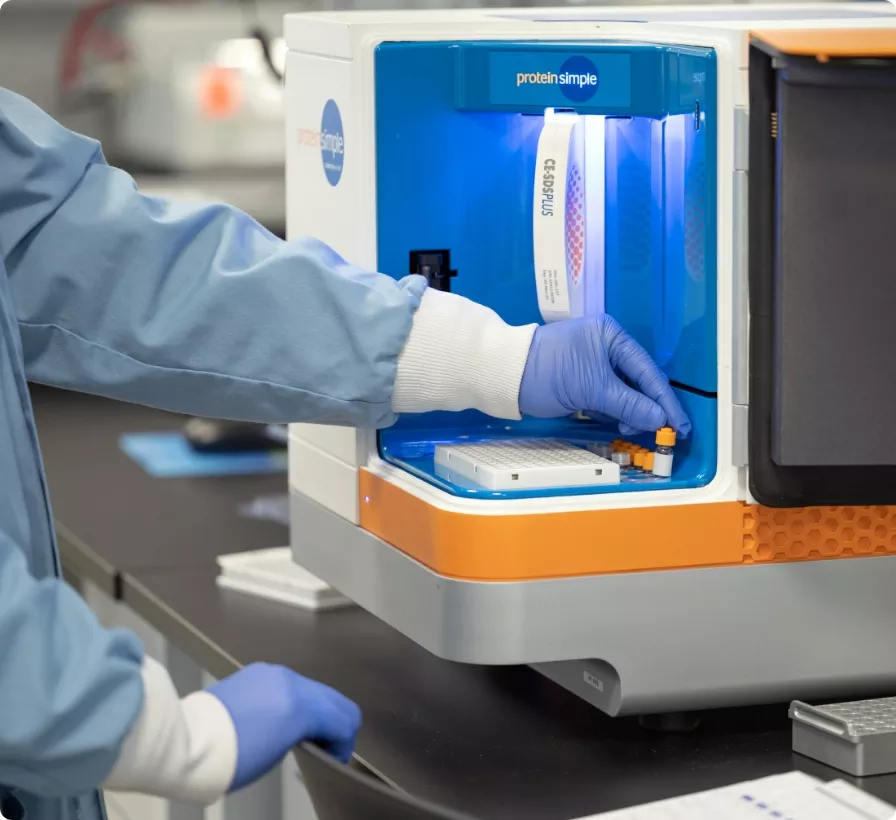

Aligning Study Design with EMA Pediatric Frameworks
The EMA’s regulatory framework for gene therapies places a specific focus on the pediatric population. A Paediatric Investigation Plan is a core component of the development strategy for these advanced therapies. For viral vector-based programs, the viral shedding and biodistribution package must provide a clear, data-driven assessment of risk to the patient and their environment. This involves a multi-faceted approach that links preclinical data, vector biology, and the clinical reality of treating children.
Our approach supports sponsors in developing these packages, leveraging our experience to anticipate PDCO expectations. This ensures the bioanalytical strategy is robust and the data generated are fit for purpose. Franklin Biolabs operates within a >100,000 sq ft facility designed to handle the complex logistics of long-term, multi-matrix GxP sample analysis.
The Role of Infrastructure in Complex Bioanalytical Programs
Executing a global pediatric trial requires significant logistical and technical infrastructure. Managing sample collection, shipment, and analysis from multiple clinical sites across the EMEA region demands a sophisticated supply chain and proven GxP-compliant laboratory operations.


Integrating Vector Design Insights into Shedding Protocols
The intrinsic properties of the gene therapy vector are a primary determinant of the shedding profile. Preclinical optimization of vector elements has direct implications for the clinical bioanalytical strategy.
-
Vector Capsid and Promoter Selection: As demonstrated in AAV vector optimization studies, the choice of capsid and promoter/enhancer elements significantly influences in vivo expression and immunogenicity (PMID: 28056565). This directly correlates to vector clearance rates and persistence, which must be characterized in the shedding analysis. A vector designed for high transduction efficiency may exhibit a different shedding kinetic than one optimized for de-targeting specific tissues.
-
Viral vs. Non-Viral Constructs: While this discussion centers on viral vectors, insights from non-viral gene therapy trials reinforce the regulatory principle of tracking the therapeutic agent. Studies evaluating nebulized gene-liposome complexes, for example, required careful assessment of therapeutic stabilization in the target organ (PMID: 26149841). For viral vectors, this principle extends to quantifying vector material in non-target biofluids.
Franklin Biolabs’ GxP-Compliant Bioanalytical Approach
A successful regulatory submission hinges on the quality and integrity of the bioanalytical data. Our teams specialize in developing and validating sensitive, specific qPCR and ddPCR assays for viral shedding analysis across a wide range of sample types. We have supported programs that achieved a 100% IND success rate since 2019 (the Franklin Biolabs brand launched in 2024), navigating complex regulatory questions with robust data packages. This experience is directly applicable to the challenges of EMA submissions, where our typical programs operate on an 18-24 month timeline from initiation to IND-enabling data delivery.
Our services for pediatric viral shedding studies include:
-
GxP-validated qPCR and ddPCR assay development and transfer.
-
Analysis of diverse matrices: whole blood, plasma, serum, urine, saliva, stool, and tissues.
-
Comprehensive reporting suitable for direct inclusion in PIP and Marketing Authorisation Application (MAA) dossiers.
-
Consultative support on study design and sampling schedules based on vector type and regulatory precedent.

This content is for informational purposes. For guidance specific to your therapeutic program, please contact our team for a consultation.