Validating qPCR Assays for Viral Shedding According to ICH Q2(R1) for UK-based Sponsors

PROVEN INTELLIGENCE ACCELERATING NEXT-GENERATION THERAPIES

Validating qPCR Assays for Viral Shedding According to ICH Q2(R1) for UK-based Sponsors

CELL & GENE | RNA | BIOLOGICS
For UK-based gene therapy sponsors, validating quantitative polymerase chain reaction (qPCR) assays for viral shedding is a mandatory component of the regulatory submission package. Adherence to ICH Q2(R1) guidelines is the standard for demonstrating that a bioanalytical method is suitable for its intended purpose. This involves a systematic evaluation of specificity, linearity, range, accuracy, precision, and quantitation limits. Franklin Biolabs develops and validates these assays within a GxP framework, leveraging advanced quantification platforms to support programmes from preclinical development through to clinical trial monitoring. Our process ensures data integrity for MHRA and EMA review, contributing to a robust safety profile for novel therapeutics.

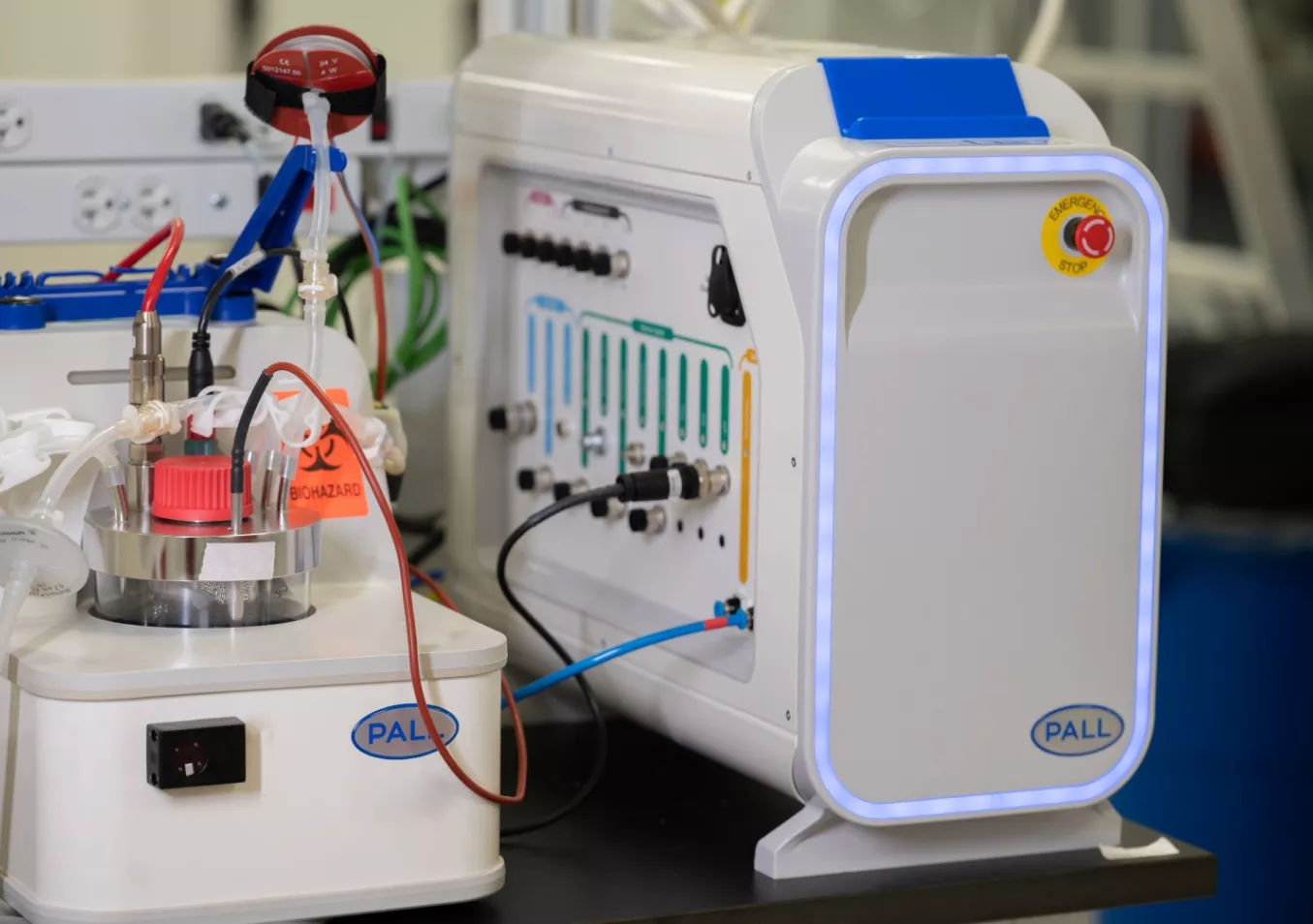
A close-up shot of a modern bioreactor system and control unit from Pall Corporation in a clean laboratory environment.

Frequently Asked Questions (FAQ)

    What are the minimum ICH Q2(R1) parameters for a qPCR viral shedding assay?

    A validated assay requires empirical data demonstrating specificity (ability to assess the analyte in the presence of other components), linearity and range (proportional results across a defined concentration range), accuracy (closeness to the true value), and precision (repeatability and intermediate precision). Limit of Detection (LOD) and Limit of Quantification (LOQ) must also be established.

    How is assay specificity established for complex matrices like saliva or urine?

    Specificity is confirmed by analysing blank matrix samples from multiple donors to ensure no interference or cross-reactivity. The assay must also demonstrate the ability to differentiate between the vector sequence and closely related endogenous sequences or other contaminants.

    Does the UK’s MHRA have specific requirements beyond ICH Q2(R1)?

    While ICH Q2(R1) provides the core validation framework, the MHRA expects a clear scientific justification for the assay’s design and its suitability for the specific therapeutic and clinical context. This includes the rationale for matrix selection, sample stability, and the established LOQ in relation to expected shedding levels.

    How do you manage sample stability during collection and transport for UK clinical sites?

    We establish stability parameters during validation, defining acceptable temperature ranges and time limits for various biological matrices. Franklin Biolabs provides clinical sites with validated collection kits and protocols, developed with our strategic logistics partners, to maintain the cold chain and ensure sample integrity upon arrival at our >100,000 sq ft GxP-compliant facility.

A stylized 3D rendering of a DNA double helix, composed of light-colored spheres on a translucent blue backbone, set against a soft-focus, light blue background.

Assay Validation for Regulatory Confidence

A well-characterised viral shedding profile is fundamental to the safety assessment of any gene therapy. UK and EU regulators require robust, validated bioanalytical data to understand the duration, route, and magnitude of vector shedding post-administration. A qPCR assay that fails to meet ICH Q2(R1) standards can compromise the integrity of a clinical programme and lead to significant delays. The validation process provides documented evidence that the analytical method consistently produces a result that meets pre-determined specifications and quality attributes.

Core Validation Parameters for qPCR Shedding Assays

Our validation strategy is built directly upon the ICH Q2(R1) framework. Each parameter is assessed using the intended biological matrix to ensure the data reflects real-world clinical sample analysis.

ICH Q2(R1) Parameter Franklin Biolabs Validation Approach Purpose in Viral Shedding Analysis
Specificity Analysis of blank matrix from at least six individual sources. Confirms the assay detects only the specific vector DNA sequence, avoiding false positives from endogenous DNA.
Linearity & Range A dilution series of reference material is analysed to demonstrate a proportional response. Defines the concentration range over which the assay is accurate and precise, covering expected shedding levels.
Accuracy Assessed by analysing samples with known concentrations and calculating percent recovery. Measures the closeness of test results to the true vector concentration in the sample.
Precision Evaluated through repeatability (intra-assay) and intermediate precision (inter-assay, different days/analysts). Demonstrates the low variability of the assay, ensuring consistent results over the course of a clinical trial.
Limit of Quantification (LOQ) The lowest concentration on the standard curve that can be measured with acceptable precision and accuracy. Establishes the minimum level of viral shedding that can be reliably quantified, a key safety endpoint.

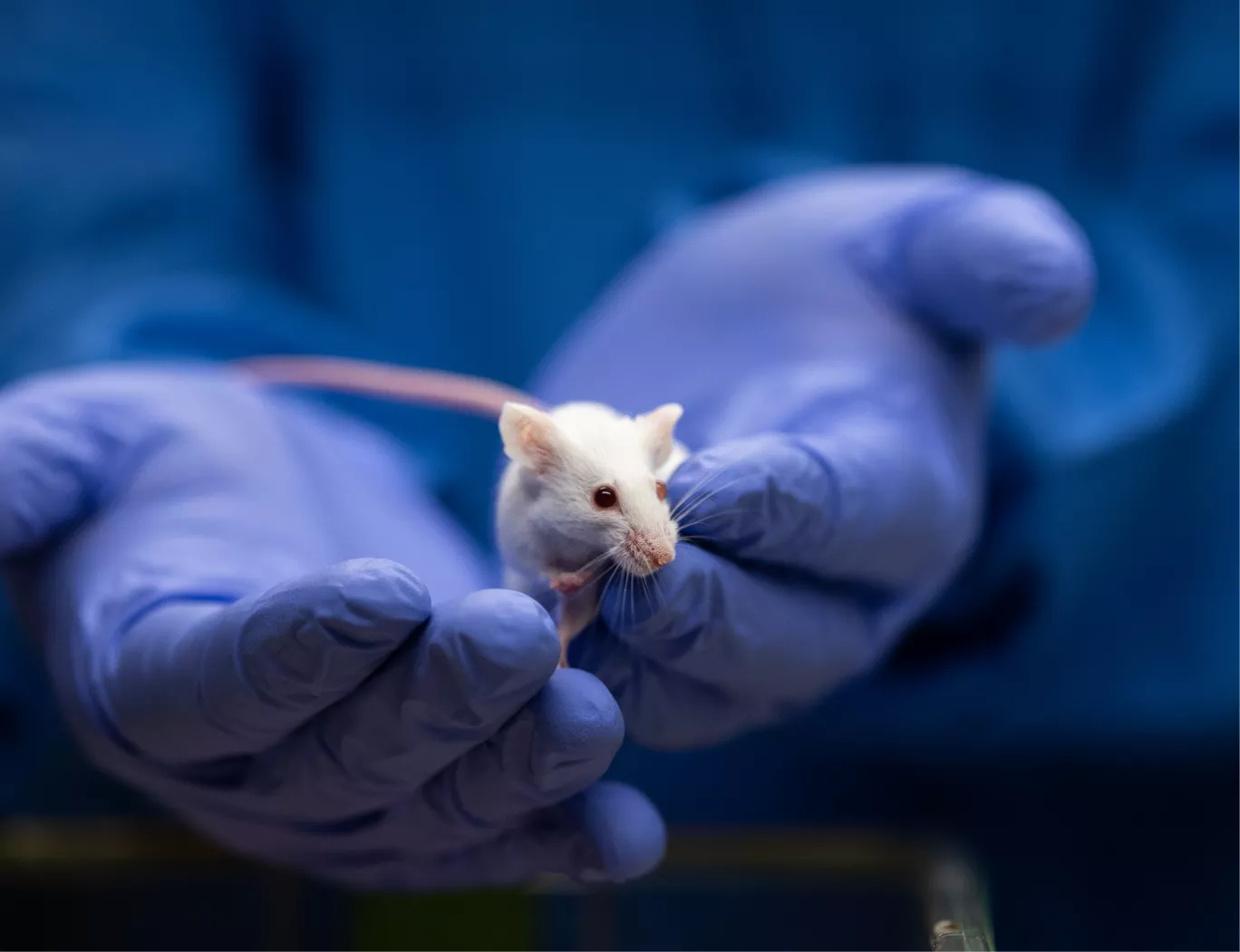
A close-up of a scientist in blue gloves gently holding a small, white laboratory mouse, likely in a research setting.

Advancing Quantification: From qPCR to ddPCR

While qPCR is the established standard, droplet digital PCR (ddPCR) offers significant advantages for absolute quantification of vector copy number. As demonstrated in studies on AAV vector titre determination (PMID: 24328707), ddPCR provides higher precision and robustness without reliance on a standard curve. This is particularly valuable for accurately quantifying low-level shedding at later time points and for characterising reference materials used in qPCR assays. We deploy ddPCR to support and enhance the validation of our qPCR methods, providing a more complete analytical package.

This level of analytical rigour is vital for interpreting clinical outcomes. For instance, a phase 2b trial of a non-viral gene therapy showed a modest but significant stabilisation of lung function (PMID: 26149841). In such cases, highly sensitive and validated assays are necessary to correlate therapeutic exposure, which includes shedding data, with clinical benefit. Franklin Biolabs has supported sponsors to achieve a 100% IND/CTA acceptance rate since 2019 (the Franklin Biolabs brand itself launched in 2024), navigating complex regulatory expectations with an average 18-24 month IND timeline.

Scientific Process Diagram

This content is for informational purposes. For guidance specific to your therapeutic program, please contact our team for a consultation.